
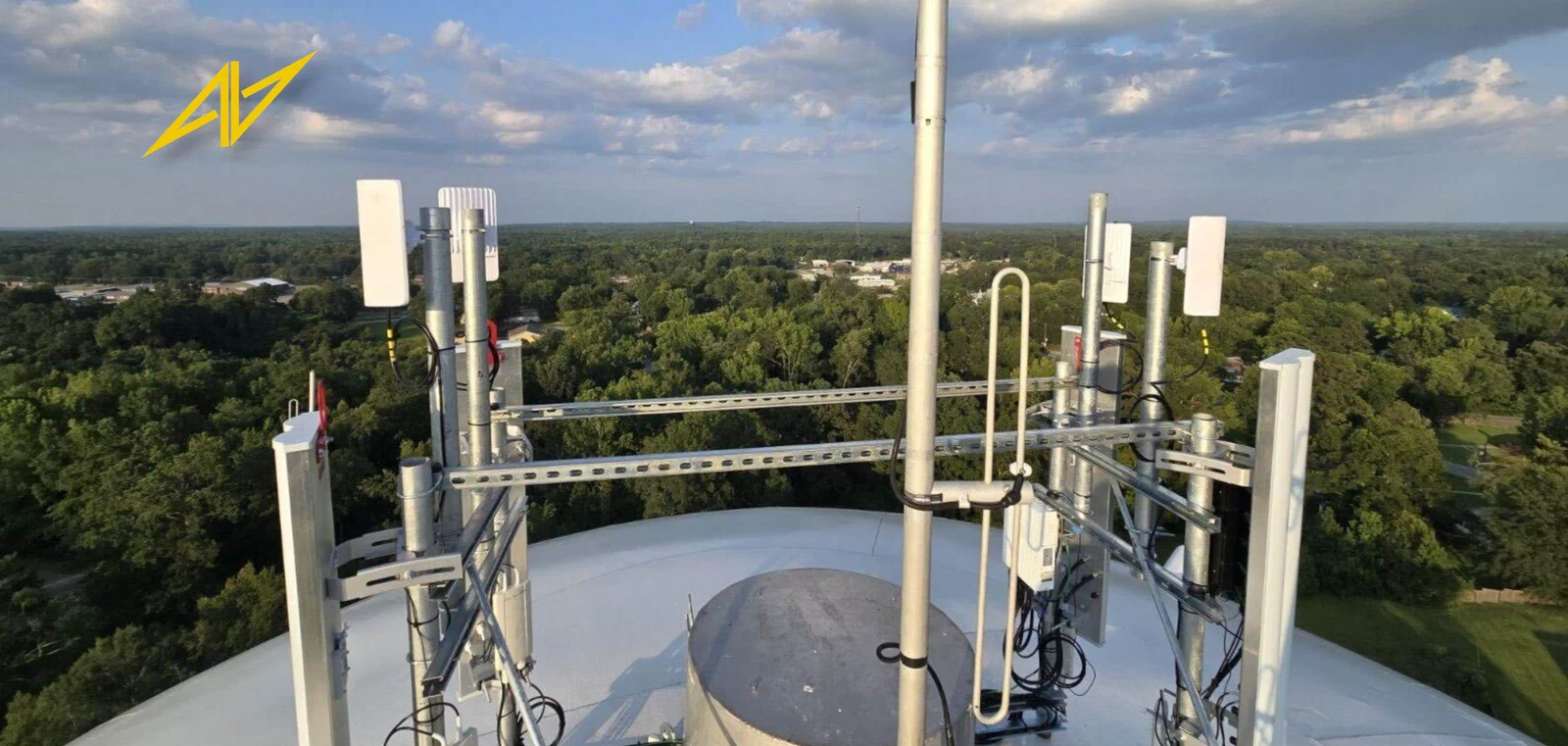
Alabama Lightwave.
Every tower on the network.
Since 2018, Vertical Axis (and the Waldrop Wireless Technicians crew that became Vertical Axis) has been the primary tower contractor for Alabama Lightwave, the fixed-wireless ISP covering Central and West Alabama. It is the longest-running engagement in our WISP tower construction book. New site builds, carrier-class licensed backhaul, a full LTE platform rebuild, DC plant design, statewide WBRC weather-camera installs, grounding rescue on legacy sites, storm response, and lifecycle maintenance on a network that closes the rural-broadband gap across Bibb, Chilton, and Choctaw counties.

Hiring Vertical Axis was the easiest home-run call I’ve made running Alabama Lightwave. They built most of our towers. They rebuilt our LTE on a 4-carrier Nokia reuse plan with The Edge Mile. They carried a statewide WBRC weather-camera network across host towers, rooftops, and municipal structures without missing a schedule. When a storm hits, their climbers are on my sites before the phone stops ringing. We don’t use another tower contractor because we don’t need to. Those guys just get it done.
A rural fixed-wireless operator that needed a tower partner who knew the gear.
Alabama Lightwave is a fixed-wireless internet provider covering Central and West Alabama. The network serves Centreville, Brent, Jemison, Eoline, Butler, Ashby, Brierfield, Green Pond, Pondville, Randolph, Sixmile, West Blocton, Woodstock, and rural Bibb County. The Lightwave LINK mobile app now brings service and network tools to subscribers across Bibb, Chilton, and Choctaw counties.
In a market where the alternatives are legacy DSL that has been slow for a decade, big-cable service that doesn’t reach past the town limit, poorly installed grant-funded fiber that ran out of money before it lit customers up, and fixed-wireless competitors that show up for sign-up and disappear for service calls, Alabama Lightwave built the thing that was missing: a local-first, owner-operated fixed-wireless ISP that shows up when a tower light goes out at 3 AM and answers the phone when a subscriber has a question.
The tower infrastructure is the other half of that story. Every sector, every backhaul dish, every mount bracket on every Alabama Lightwave tower is on steel that was built or maintained by the Vertical Axis crew. That’s been true since 2018.
The coverage mission.
Alabama Lightwave exists because rural Alabama is chronically underserved by incumbent providers. The subscriber base is spread across small towns, farm-to-market roads, timber land, and creek bottoms where DSL gives up and big cable never ran the line.
The technology that closes that gap is fixed wireless, and fixed wireless only works if the towers hitting the footprint are:
- Tall enough to see over the tree line on both ends of the link.
- Pointed right, with sectors and backhaul aligned to design rather than by eye.
- Reliably up, meaning the guys stay in spec, the grounding is bonded, and the gear survives storm season.
That’s the scope Vertical Axis runs for Alabama Lightwave, site by site. Every build is scoped against the subscriber-access geometry, not a generic design template.
Why the speeds hold up in the field.
Alabama Lightwave’s line-of-sight (LOS) subscribers often see speeds matching fiber at gigabit-class. Their non-line-of-sight (NLOS) subscribers on the 4-carrier Nokia® AZQC private-LTE layer regularly exceed 600 Mbps. Numbers like that only happen when the installation matches the RF design on paper.
The Vertical Axis contribution here is the install quality: antennas aimed tight, mounts and azimuths within spec, weatherproofing done per manufacturer procedure, grounding bonded before anything goes on-air, and cable plant run clean enough that nothing degrades six months after commissioning. Install quality is the difference between the stamped-paper link budget and the actual customer experience three years later. On Alabama Lightwave, those two numbers track.
Vendor relationships that keep the optimization competitive.
Rural WISP margins are tight. Delivering fiber-class LOS performance and 600+ Mbps NLOS at rural-Alabama price points means the whole installation-and-gear cost structure has to hold together. Vertical Axis’s long-running vendor relationships make that math work:
- SAF Tehnika for carrier-class licensed microwave radios. Direct technical and commercial relationship, which means faster engineering support on path issues and better pricing than working through a distribution channel.
- CTI Connect as an integration and distribution partner for a broad spectrum of WISP and LTE gear. Inventory visibility, fast replenishment, and gear-specific engineering support that gets us out of rabbit holes on install day.
- Deep platform fluency on Nokia®, Airspan®, Ubiquiti®, Cambium®, Mimosa®, and Tarana® stacks so that every radio we put up is installed to OEM spec.
The client-facing result is subscriber pricing that stays competitive with the legacy DSL, big-cable, and grant-funded-fiber alternatives in rural Alabama, while still delivering performance those alternatives can’t touch.
Storm season is a year-round conversation.
Central Alabama sits in the heart of U.S. tornado country and takes meaningful hits every spring. Lightning activity is among the highest in the lower 48. Alabama Lightwave is a recurring client on our emergency tower response rotation:
- Plumb-and-tension verification to TIA-222-I L/1500 tolerance with a total station and load cells.
- Anchor inspection for any guyed structure to catch soil movement at the guy blocks.
- Surge-suppressor and grounding check on every site.
- RF sweep on sectors and backhaul to confirm the link budget is still intact after the event.
- Grounding rescue on legacy sites where earlier installs had degraded grounding, inadequate bonding, or non-compliant rings. See Grounding & Cadwelding for the standard scope.
When a named storm event hits, Vertical Axis crews mobilize into the footprint ahead of the first subscriber callback. That’s what a primary tower contractor does.
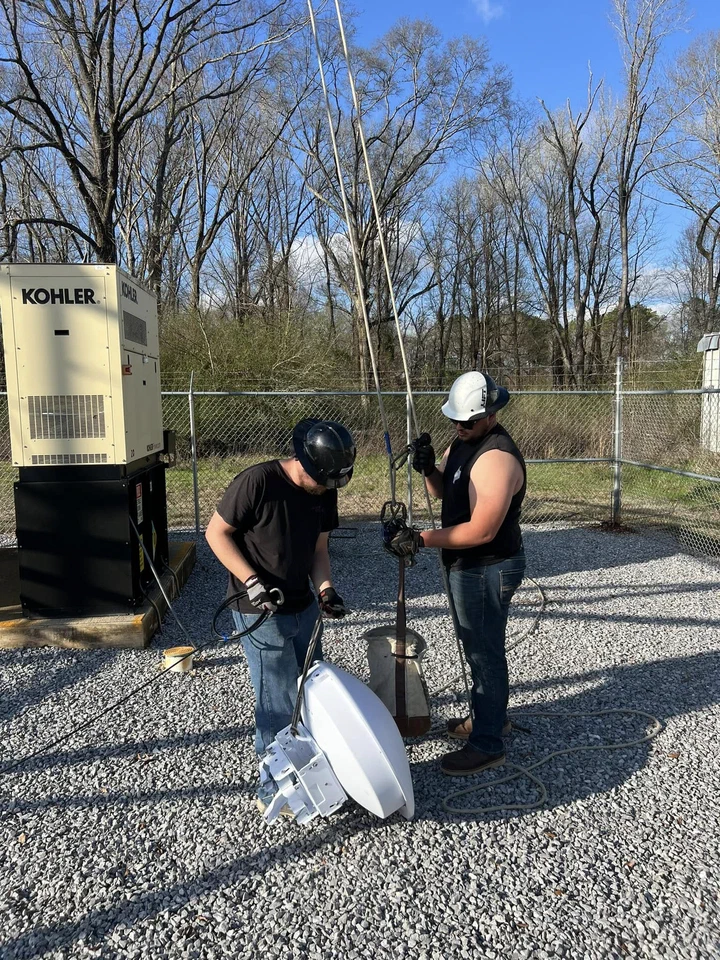
The WBRC weather-camera network, on every kind of Lightwave-touched structure.
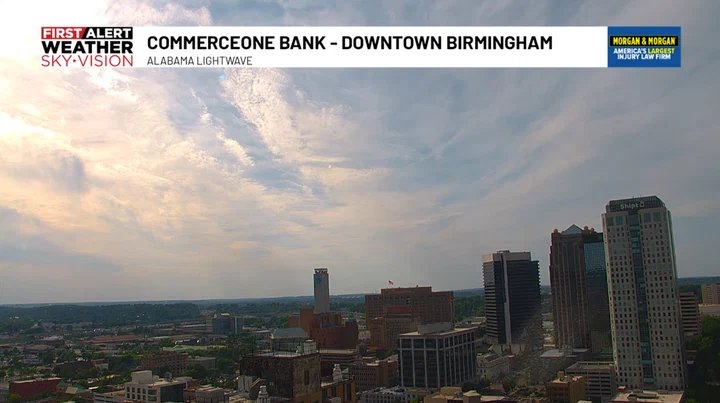
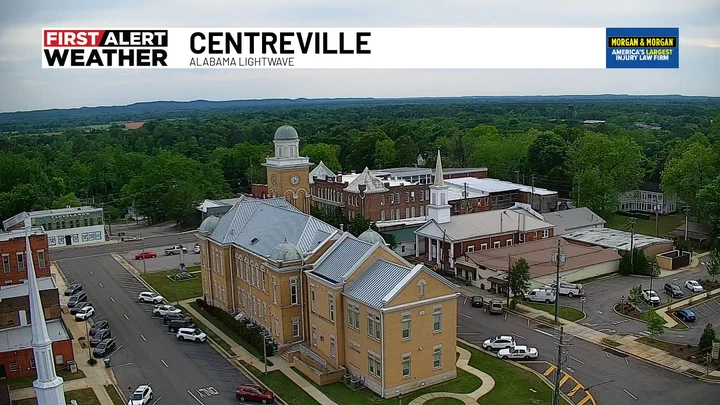
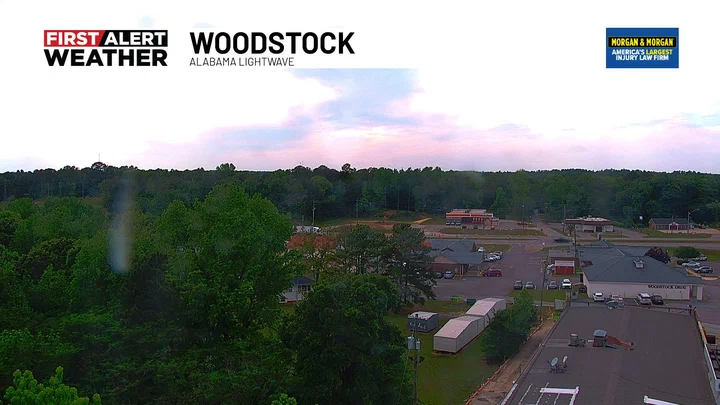
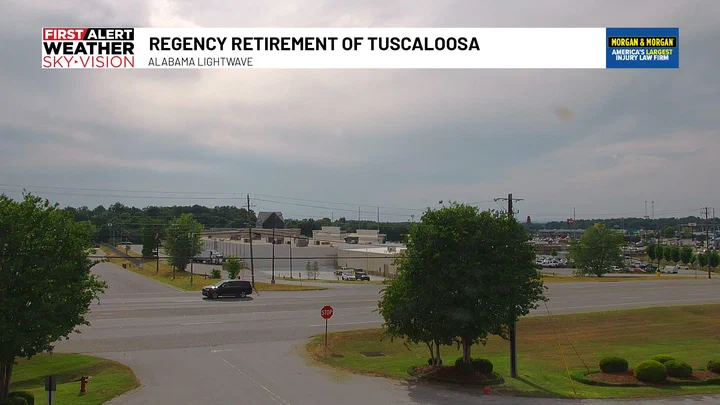
Alabama Lightwave’s tower infrastructure became the spine of a much larger build: a statewide weather-camera network launched by WBRC and WBRC Chief Meteorologist Wes Wyatt. Vertical Axis is the lead installer on the camera network, working across every kind of structure Alabama Lightwave touches: their own towers, the host-owned towers carrying their tenant equipment, downtown commercial rooftops, municipal structures, and high-risk public-safety sites.
It’s one of the more interesting examples of what a primary tower contractor does when the client’s partnerships extend across a mix of tower-owner types and every structure on the map is already in our walking order.
Broadcast-grade rooftop installs: the John Hand Building.
Not every camera site is a tower. The camera network includes commercial rooftops in downtown Birmingham, including the John Hand Building (CommerceOne) on 1st Avenue North. Rooftop installs on a historic downtown high-rise come with a different scope than a 300 ft guyed rural tower: cable paths through occupied floors, coordination with building engineers, parapet-mount structural work, and roof-penetration waterproofing to a commercial-grade standard.
Same crew, different discipline. The structural and RF fundamentals don’t change; the paperwork and the access conditions do.
Host-owned towers that carry Lightwave tenant equipment.
Alabama Lightwave’s coverage leans on more than their own steel. A meaningful portion of the network is tenanted on host-owned towers, specifically structures operated by Tillman Infrastructure and Diamond Communications, two of the larger independent tower owners active in the Southeast. On those host sites, Vertical Axis has installed and maintains both the Alabama Lightwave RF tenant equipment (sectors, backhaul dishes, LTE access) and the WBRC weather cameras on the same structures.
Host-tower installs require a different paperwork dance: structural-mapping request, mount plan approval, climb authorization, proof of insurance filed with the owner before any crew sets foot in the compound. We’ve run that paperwork through enough cycles that turnaround is measured in days, not weeks. Alabama Lightwave’s host-tower work gets commissioned on the program’s schedule, not on the tower owner’s bureaucracy.
High-risk public-safety sites: Bibb County E911 Dispatch.
Vertical Axis installs also sit on the Bibb County E911 Dispatch tower, a public-safety structure that carries both Alabama Lightwave broadband equipment and a WBRC weather camera. Public-safety sites come with their own operating envelope: coordination with the 911 center on any work that touches RF, grounding, or power; climbs scheduled around dispatch traffic; and zero tolerance for any change that could knock a 911 radio offline.
Delivering broadband and broadcast-camera scope on a live public-safety structure is a discipline problem, not a technical one. The climb plan, the bonding sequence, and the cutover plan all get reviewed against the dispatch center’s operating posture before a climber leaves the ground.
Municipal structures: City of Brent, City of Centreville, Bibb County Commission.
Several camera installs sit on municipally-owned structures around Central Alabama: water towers, county buildings, and public-works vertical assets under the jurisdiction of the City of Brent, the City of Centreville, and the Bibb County Commission. Municipal installs carry their own layer: city-council or commission approval, public-asset mount permits, risk-management sign-off, and ongoing coordination with local public-works staff.
Working inside the three-county footprint since 2018 means the approvals are routine, the local contacts know our crews on a first-name basis, and the camera installs happen on the community’s schedule instead of languishing in a six-month approvals cycle.
Carrier-class licensed backhaul and the Airspan® to Nokia® LTE rebuild.
Licensed SAF Tehnika backhaul trunks with Geolinks.
A portion of Alabama Lightwave’s backhaul network runs on carrier-class licensed Part 101 microwave, including SAF Tehnika radios on high-capacity paths, deployed in partnership with Geolinks. The scope covered path engineering, FCC Part 101 license filing and coordination, precision antenna alignment, DC plant design for the new cabinet loads, and the full 72-hour soak-test protocol before commissioning each link.
Direct-to-vendor relationships with SAF Tehnika and CTI Connect mean faster engineering support and better pricing than a distribution-only path. Full microwave scope and SLA framework lives on the Microwave Backhaul service page.
Airspan® to Nokia® AZQC LTE: 4-carrier single-channel reuse.
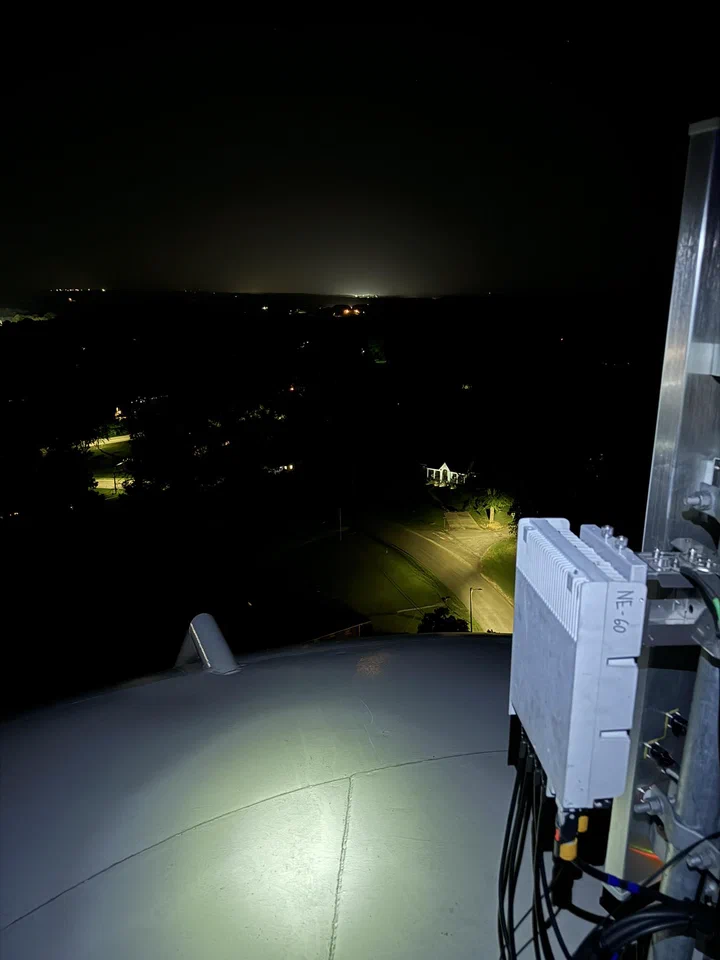
Alabama Lightwave’s private-LTE access layer ran on an older Airspan® platform. The network modernization program replaced the full access layer with a current-generation Nokia® AZQC deployment, in coordination with The Edge Mile private-LTE team.
The install story here is worth spelling out: the deployment was designed and built so the network could operate 4-carrier LTE with single-channel reuse. That is an aggressive spectral-efficiency target. It requires:
- Disciplined antenna aim across adjacent sectors so carrier-to-carrier interference sits under the reuse envelope.
- Precision-aligned microwave backhaul between sites (connected to the SAF trunks above) so the core-to-cell latency and jitter profiles don’t break the LTE scheduler.
- Tight mount and azimuth precision on every sector antenna so the RF design assumptions held in the field, not just on paper.
- DC plant design and install on every LTE cabinet to handle the new RAN power load without undersizing the rectifier or the battery string.
- Coordinated cutover site-by-site across the footprint, with a rip-and-replace sequence that kept subscriber downtime minimal.
Single-channel reuse on a 4-carrier LTE is the kind of design that only works if the tower contractor’s install discipline matches the RAN engineering. Edge Mile brought the RAN and core; Vertical Axis brought the steel, the RF install, the DC plant, and the precision alignment. The cutover held, and NLOS subscribers on the new platform now regularly exceed 600 Mbps.
How the relationship has grown.
Seven years of continuous engagement, from a few early towers to a full-stack partnership covering rural distribution, licensed backhaul, private LTE, a statewide camera network, and high-risk public-safety sites.
2018: Waldrop Wireless Technicians founded
Tommy Waldrop establishes Waldrop Wireless Technicians LLC as a dedicated tower services firm for rural WISPs. Alabama Lightwave is one of the earliest clients. The on-call tower work that precedes this page starts here.
2019 to 2024: Multi-site network growth
Ongoing on-call work across the growing Alabama Lightwave footprint: sector additions, backhaul upgrades, grounding rescue on legacy sites, annual plumb-and-tension, and post-storm responses. Coverage grows to include Centreville, Brent, Jemison, Eoline, Butler, Ashby, Brierfield, Green Pond, Pondville, Randolph, Sixmile, West Blocton, and Woodstock.
WBRC statewide weather-camera network
Lead installer on the WBRC statewide weather-camera program, built in partnership with Alabama Lightwave and WBRC Chief Meteorologist Wes Wyatt. Cameras installed across Lightwave’s own towers, host-owned towers carrying Lightwave tenant equipment (Tillman Infrastructure, Diamond Communications), downtown commercial rooftops including the John Hand Building (CommerceOne) in Birmingham, municipal structures under the City of Brent, City of Centreville, and Bibb County Commission, and public-safety sites including the Bibb County E911 Dispatch tower.
Licensed SAF Tehnika backhaul with Geolinks
Carrier-class Part 101 licensed microwave backhaul trunks deployed across Alabama Lightwave’s network, including SAF Tehnika radios on high-capacity paths in partnership with Geolinks. Path engineering, FCC licensing and coordination, precision alignment, DC plant design for new cabinet loads, and 72-hour soak test on each link.
Airspan to Nokia AZQC LTE rip-and-replace
Full platform swap from the legacy Airspan LTE access layer to a current-generation Nokia AZQC deployment, in coordination with The Edge Mile private-LTE team. Install executed to a 4-carrier single-channel-reuse RF design target, with precision-aligned microwave backhaul, full DC plant design, and site-by-site coordinated cutover. NLOS subscribers on the new platform now regularly exceed 600 Mbps.
Major site upgrades and hardening
New equipment cabinets, expanded concrete equipment pads, grounding upgrades, and structural modifications on existing sites as the platform load grew. Recurring work across the entire Alabama Lightwave tower plant year over year.
2024: Waldrop Wireless rebrands as Vertical Axis LLC
The tower services company continues under the Vertical Axis name, managed by Kelly Zacrep. Same crews, same standards, broader service catalog, new company of record. Alabama Lightwave never drops a tower visit through the transition.
2025 to today: Ongoing primary contractor
Vertical Axis continues as the primary tower contractor on all Alabama Lightwave tower work: new site builds, sector upgrades, backhaul modifications, annual inspection, grounding rescue, and 24-hour storm response and emergency climb dispatch through tornado and lightning events year over year.
What the engagement covers.
Seven years of continuous scope across the Alabama Lightwave tower plant plus the extended program work. Every service listed is recurring, not one-time.
- New site builds across the growing footprint (civil, steel, RF, grounding, commissioning)
- Sector and backhaul install on multi-carrier sector arrays and point-to-point backhaul trunks
- Carrier-class licensed Part 101 microwave including SAF Tehnika trunks, deployed in partnership with Geolinks
- Airspan to Nokia AZQC LTE rip-and-replace with 4-carrier single-channel-reuse RF design in coordination with The Edge Mile private-LTE team
- DC plant design and install on LTE and microwave cabinets, sized for new RAN and backhaul power loads
- WBRC statewide weather-camera network install across Lightwave’s own towers, host-owned towers carrying Lightwave tenant equipment, commercial rooftops, municipal structures, and public-safety sites
- Tertiary-site rooftop installs including the John Hand Building (CommerceOne) in downtown Birmingham
- Host-owned-tower installs on Tillman Infrastructure and Diamond Communications structures that carry Lightwave tenant equipment, with tower-owner coordination and paperwork in scope
- Municipal-structure installs coordinated with the City of Brent, the City of Centreville, and the Bibb County Commission
- Public-safety site work including the Bibb County E911 Dispatch tower (broadband and WBRC camera), with dispatch-center coordination and zero-outage operating posture
- Antenna and radio install for capacity upgrades, platform swaps, and carrier-adjacent additions
- Grounding rescue on legacy sites where earlier installs had degraded or non-compliant rings, bonded and tested to Motorola R56
- Tower modifications for added loading, feed-line replacement, and mount upgrades
- Major site upgrades: new equipment cabinets, expanded concrete pads, grounding improvements, and cable-plant rebuilds as site load grew
- Plumb and tension on guyed and self-supporting structures to TIA-222-I L/1500 tolerance
- Grounding and bonding to Motorola R56 across the tower plant
- Post-storm and disaster-recovery response for tornado, severe-weather, and lightning-strike events. See Emergency Tower Services
- Annual and biennial inspection programs across the tower fleet
- Documentation for every visit: plumb-and-tension reports, sweep logs, photo records, permit close-outs on host, municipal, and public-safety sites
Running a similar scope?
Tell us what you're building. We come back with a line-itemed quote and a schedule.
What the tower work has enabled.
A case study should name the outcomes, not just the scope. Here’s what seven years of continuous tower work has enabled on the Alabama Lightwave network and its extended partnerships.
Coverage across 3 counties and 13+ named communities
Alabama Lightwave now serves Centreville, Brent, Jemison, Eoline, Butler, Ashby, Brierfield, Green Pond, Pondville, Randolph, Sixmile, West Blocton, Woodstock, and rural areas in Bibb, Chilton, and Choctaw counties. Every one of those towns is fed by a tower our crew built or maintained.
Fiber-class LOS speeds and 600+ Mbps NLOS on a 4-carrier Nokia AZQC private-LTE layer
Line-of-sight subscribers on the Alabama Lightwave network often see speeds matching fiber at gigabit-class. Non-line-of-sight subscribers on the 4-carrier Nokia AZQC private-LTE layer regularly exceed 600 Mbps. Those numbers only hit when the install matches the stamped RF design, every site, every sector. That’s what Vertical Axis delivers.
Statewide WBRC weather-camera presence across five kinds of vertical asset
The statewide WBRC camera network launched by Alabama Lightwave and WBRC Chief Meteorologist Wes Wyatt now lives on Lightwave’s own tower plant, host-owned towers (Tillman Infrastructure, Diamond Communications), downtown commercial rooftops (John Hand Building), municipal structures across Central Alabama, and high-risk public-safety sites including the Bibb County E911 Dispatch tower.
Storm resilience across tornado and lightning country
Central Alabama sits in high-activity tornado and lightning zones. Annual inspection programs, post-storm mobilization, grounding rescue on legacy sites, and lightning-protection discipline mean the network is still up after the weather that takes less-maintained WISPs down. Vertical Axis crews have responded to named storm events year over year. See Emergency Tower Services.
Services delivered on this account.
Nine service lines out of our 15-service catalog are active on the Alabama Lightwave engagement. Click any card for the full scope, process, and standards.
New Site Builds
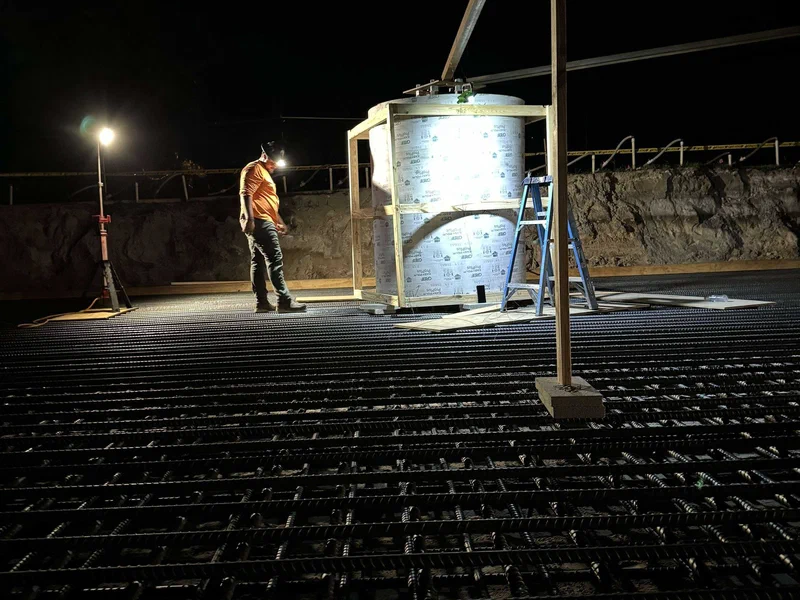
Empty dirt to operational tower, one crew, one point of contact.
Foundations & Civil
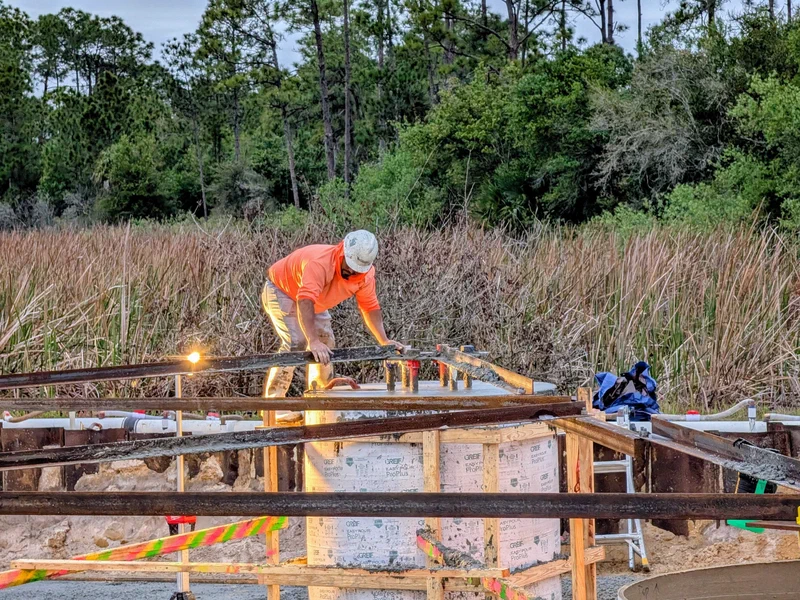
Excavation, rebar, concrete, grading, fencing, and ground rings.
Sector & Backhaul
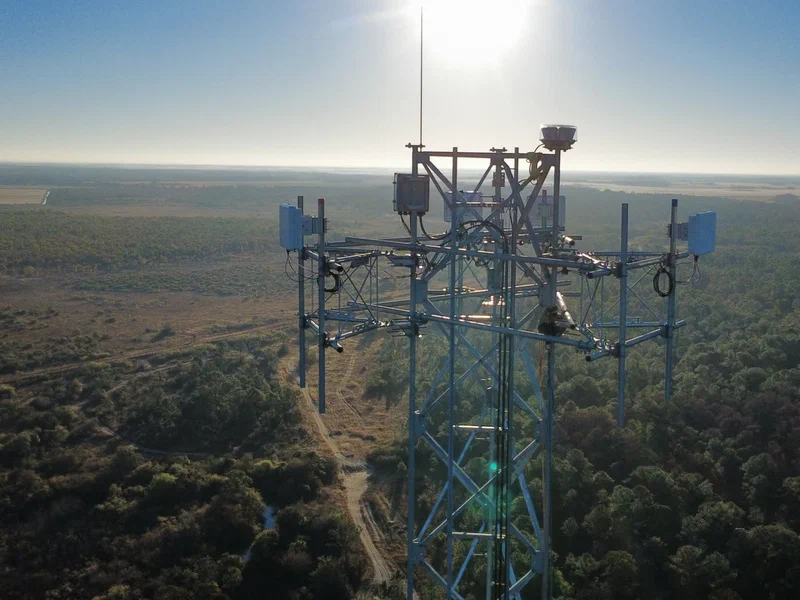
Sector antennas, backhaul dishes, horn arrays, aligned and sealed.
Microwave Backhaul
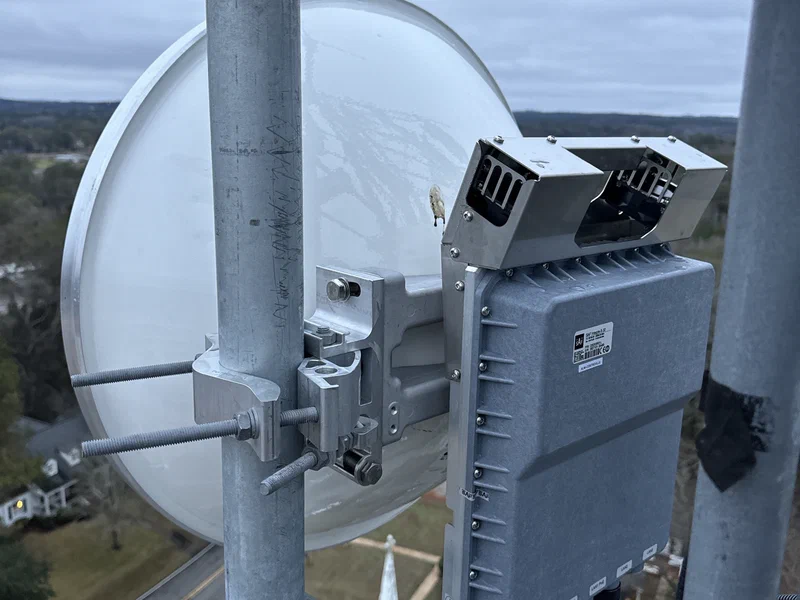
Point-to-point links, redundant rings, licensed and unlicensed.
Antenna & Radio Install
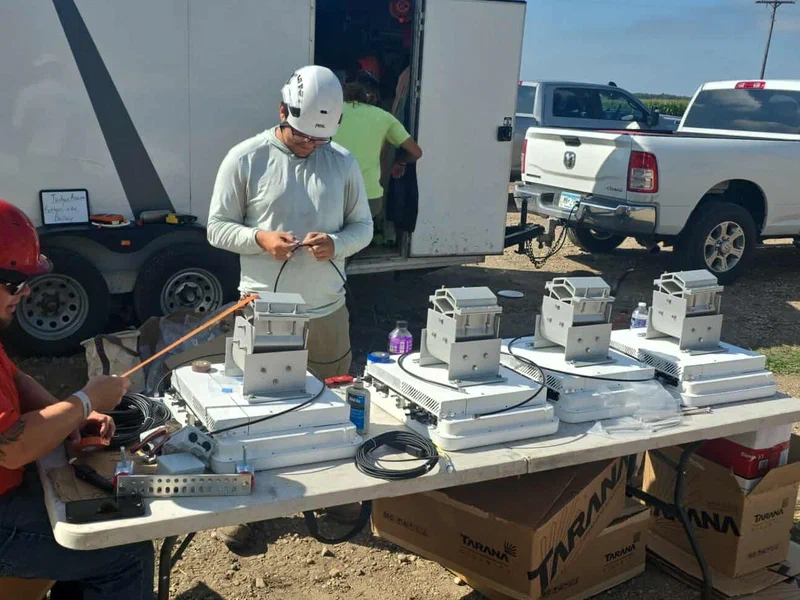
Antennas, radios, fiber, DC, and Cat6. Ubiquiti, Cambium, Mimosa, Tarana, Nokia, and more.
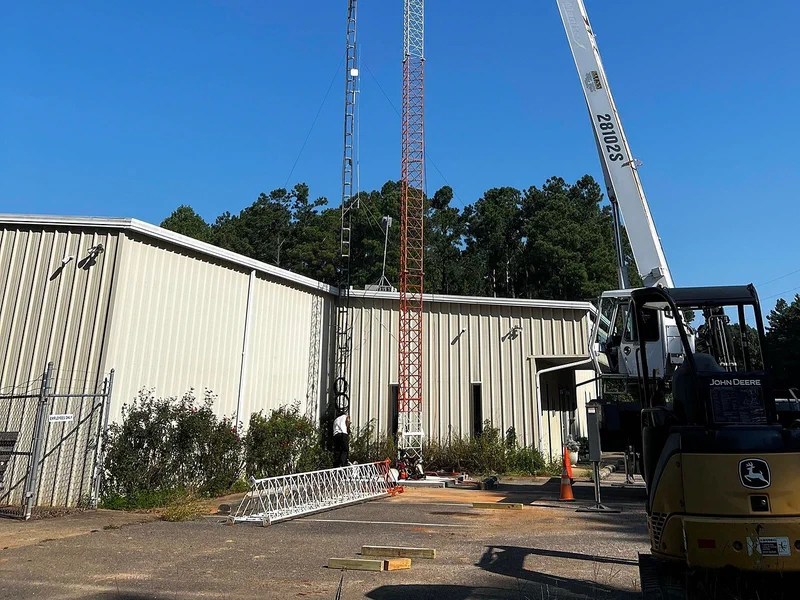
Tower Modifications
Antenna swaps, feed-line replacement, load-bearing upgrades.
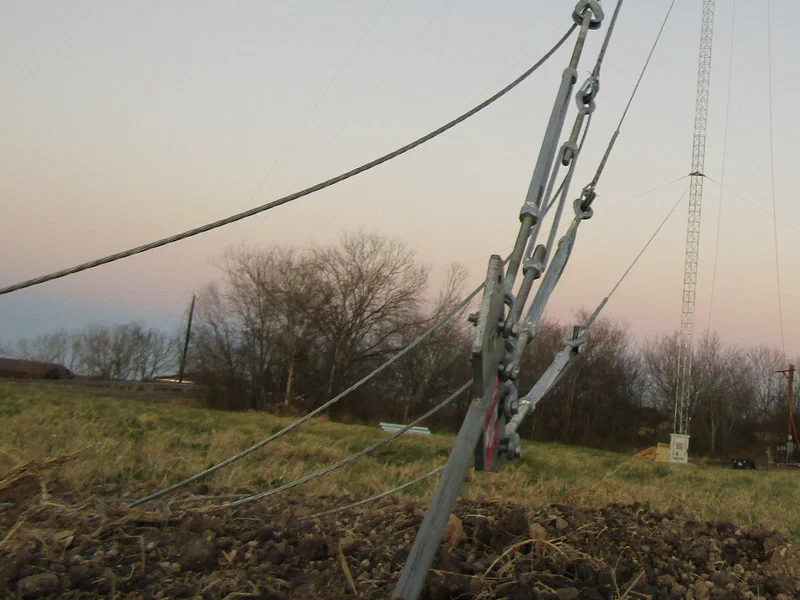
Plumb & Tension
Verify plumb, tension guys, correct storm-displaced structures.
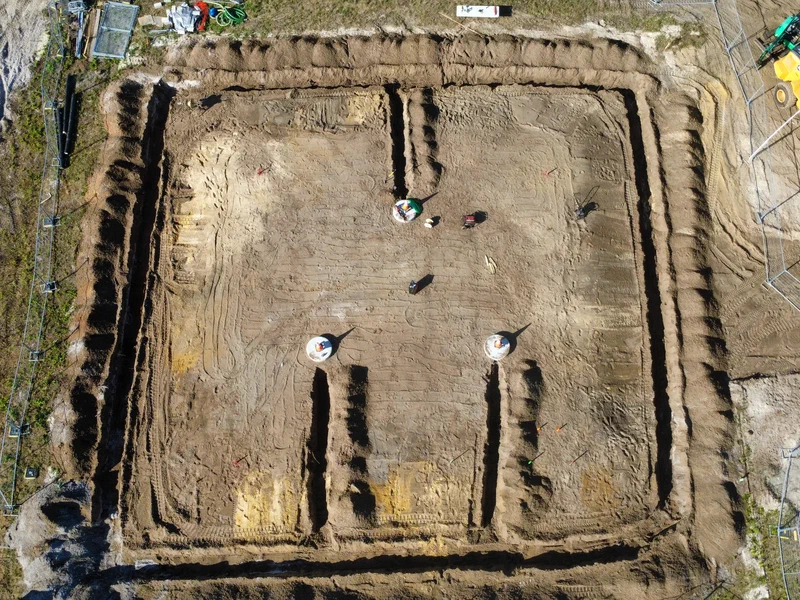
Grounding & Cadwelding
Ground rings, exothermic welds, bonding to NEC and manufacturer spec.
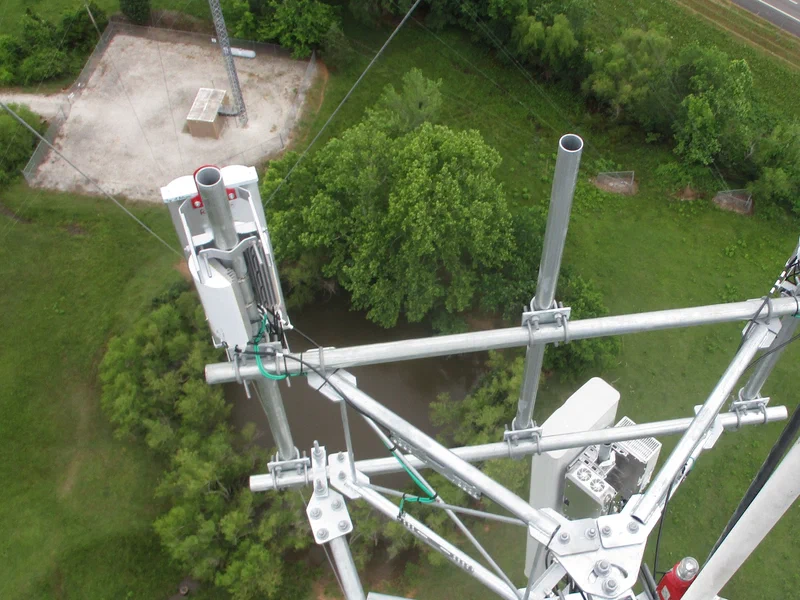
Maintenance & Inspection
Inspections, repairs, and post-storm response for a 20-year asset.
Built to the WISP standard book.
Same engineering framework we run on every rural-WISP engagement. Documented per visit, signable by a structural engineer, audit-ready for any state broadband office.
TIA-222-I
ANSI structural standard for antenna-supporting structures. L/1500 plumb tolerance, measured guy pre-load, bolt torque, ice and wind loading verified on every annual inspection.
FCC Part 15 / Part 101
Part 15 for unlicensed WISP access and short-range PTP; Part 101 for licensed microwave backhaul trunks including the SAF Tehnika deployments. Coordination, filing, and install to the right framework for each link on the network.
FAA AC 70/7460-1M / 14 CFR Part 77 / FCC Part 17
FAA obstruction marking and lighting, Part 77 imaginary surfaces, and FCC ASR registration. Every registered structure in the Alabama Lightwave plant is documented and covered by the post-storm inspection rotation.
Motorola R56
Industry-standard grounding and bonding. Default on all Alabama Lightwave tower work; every radio bonded to the tower ring before on-air; surge suppressors present and serviceable. Grounding-rescue climbs on legacy sites documented against the same R56 target.
NFPA 780
Lightning protection. Non-negotiable in Central Alabama given the lightning strike density. Every tower in the plant carries lightning protection bonded through the grounding system.
OSHA 1926 / ANSI A10.48
Safety at height. 100% tie-off, authorized rescue, site-specific safety plan on every climb. NATE ClimberSafe / SafetyLMS on every lead hand.
Host-tower, municipal, and public-safety paperwork
Tower-owner coordination (mount-plan approval, structural-load request, climb authorization, proof of insurance filed) for every Tillman Infrastructure and Diamond Communications install. Municipal permit, public-asset mount approval, and risk-management sign-off for every City of Brent, City of Centreville, and Bibb County Commission structure. Dispatch-center coordination on public-safety sites like Bibb County E911. Paperwork handled in scope, not as an adder.
Published sources.
Everything on this page is supported by publicly-published press, client websites, or FCC / state broadband records.
Current company website and list of towns served.
Third-party profile confirming the fixed-wireless technology classification.
FAQ about this project.
What is Alabama Lightwave?
What is Vertical Axis's relationship to Alabama Lightwave?
Primary tower contractor since 2018. Every tower Alabama Lightwave operates has been built or maintained by our crews. The work has scaled from basic sector-and-backhaul install to the full current scope: new site builds, carrier-class licensed backhaul with Geolinks, an Airspan to Nokia AZQC LTE rip-and-replace with The Edge Mile, DC plant design, a statewide WBRC weather-camera network across multiple host types, grounding rescue on legacy sites, and ongoing 24-hour storm response.
The company on our side rebranded from Waldrop Wireless Technicians to Vertical Axis LLC in 2024. Same crews, same book of work, new name over the door.
What towns and counties does Alabama Lightwave cover?
Published service areas include:
- Bibb County towns: Centreville, Brent, Eoline, Ashby, Brierfield, Green Pond, Pondville, Randolph, Sixmile, West Blocton, Woodstock, plus rural Bibb County.
- Chilton County towns: Jemison and surrounding rural areas.
- Choctaw County towns: Butler and surrounding rural areas.
The Lightwave LINK mobile app (iOS) supports subscribers across the three-county footprint.
What is the WBRC weather-camera network?
A statewide Alabama weather-camera network launched by WBRC (the Birmingham broadcast station) in partnership with Alabama Lightwave and WBRC Chief Meteorologist Wes Wyatt. Cameras feed into WBRC’s on-air meteorology and severe-weather coverage.
Vertical Axis is the lead installer on the network. The installs span five kinds of vertical asset:
- Alabama Lightwave’s own towers across the three-county footprint.
- Host-owned towers operated by Tillman Infrastructure and Diamond Communications that already carry Lightwave tenant equipment.
- Commercial rooftops including the John Hand Building (CommerceOne) in downtown Birmingham.
- Municipal structures under the City of Brent, City of Centreville, and Bibb County Commission.
- High-risk public-safety sites including the Bibb County E911 Dispatch tower.
Each host type comes with its own paperwork, approvals, and structural mount design. We run it in scope.
What was the Airspan to Nokia LTE rip-and-replace?
A full private-LTE access-layer platform swap. Alabama Lightwave’s private-LTE network ran on an older Airspan platform; the modernization program replaced the entire access layer with a current-generation Nokia AZQC deployment, in coordination with The Edge Mile private-LTE team.
The install was scoped so the network could operate 4-carrier LTE with single-channel reuse, an aggressive spectral-efficiency target that requires tight antenna aim across adjacent sectors, precision-aligned microwave backhaul between sites, precision azimuth and mount, DC plant design and install on the LTE cabinets, and site-by-site coordinated cutover. Edge Mile brought the RAN and core; Vertical Axis brought the steel, the RF install, the DC plant, and the alignment discipline that lets a 4-carrier reuse plan actually work in the field. NLOS subscribers on the new platform regularly exceed 600 Mbps.
What kind of speeds does the Lightwave network deliver?
Who deployed the licensed microwave backhaul?
The carrier-class licensed backhaul trunks on Alabama Lightwave’s network, including SAF Tehnika radios on FCC Part 101 licensed paths, were deployed by Vertical Axis in partnership with Geolinks. Scope included path engineering, license filing and coordination, precision antenna alignment, DC plant design for the new cabinet loads, and the full 72-hour soak-test protocol per link.
Full microwave scope and SLA framework lives on our Microwave Backhaul service page. Platform experience includes SAF Tehnika, Aviat, and Siklu on licensed Part 101 paths.
How do vendor relationships help Alabama Lightwave stay competitive?
Vertical Axis has direct technical and commercial relationships with SAF Tehnika, CTI Connect, and the major RF platform OEMs. The payoffs on Alabama Lightwave:
- Faster engineering support when a path or install issue surfaces, bypassing the distribution-channel email chain.
- Better unit pricing on carrier-class gear than a pure distribution-only contractor can hit.
- Deeper platform fluency across Nokia, Airspan, Ubiquiti, Cambium, Mimosa, and Tarana.
That lets Alabama Lightwave deliver fiber-class LOS and 600+ Mbps NLOS performance at subscriber price points that stay competitive against the legacy DSL, big-cable, and grant-funded-fiber alternatives in the footprint.
What technology does Alabama Lightwave use for subscribers?
What services does Vertical Axis provide to Alabama Lightwave?
Nine service lines out of our 15-service catalog are active on the engagement:
- New site builds: turnkey civil + steel + RF on expansion sites.
- Foundations and civil: concrete and earthwork on new sites and expanded equipment pads.
- Sector and backhaul: multi-carrier sector arrays and PTP backhaul.
- Microwave backhaul: carrier-class licensed SAF Tehnika deployments with Geolinks.
- Antenna and radio install: capacity upgrades, platform swaps, and the Airspan to Nokia LTE rebuild with The Edge Mile.
- Tower modifications: loading additions, feed-line replacement, major site upgrades (cabinets, pads).
- Plumb and tension: annual and biennial structural verification.
- Grounding and cadwelding: R56 across the tower plant, plus grounding rescue on legacy sites.
- Maintenance and inspection: rolling fleet programs.
Do you work on towers Alabama Lightwave doesn't own?
Yes, routinely. On this engagement, non-Lightwave-owned work includes:
- Host-owned towers: structures operated by Tillman Infrastructure and Diamond Communications that carry Alabama Lightwave tenant equipment (sectors, backhaul, LTE). Tower-owner paperwork (mount-plan approval, structural-load request, climb authorization, proof of insurance) handled in scope.
- Municipal structures: assets under the City of Brent, City of Centreville, and Bibb County Commission, with city or commission approvals and public-asset mount permits handled in scope.
- Commercial rooftops: including the John Hand Building (CommerceOne) in downtown Birmingham, with building-engineer coordination and cable-pathway approvals handled in scope.
- High-risk public-safety sites: including the Bibb County E911 Dispatch tower, with dispatch-center coordination and zero-outage operating posture.
Tower-host, municipal, and public-safety paperwork is part of standard scope; not every contractor carries that experience.
Can you also run disaster recovery and storm response?
Can I use this case study in a grant application or investor deck?
Do you have similar case studies for other WISPs or industries?
How do I get started on a similar project?
Send us the scope. Specifically useful: site or site list (address or coordinates), tower type and height, gear list or stamped RF design, grant-program context (BEAD, ReConnect, state program), and your target window.
Request a quote here or call us at (763) 280-6050. Most WISP scopes get a line-itemed quote back inside a week. Multi-site programs take longer because the schedule coordination is the harder part of the work.
A different project scope? Send it over. We answer every scoping call.
Related industries.
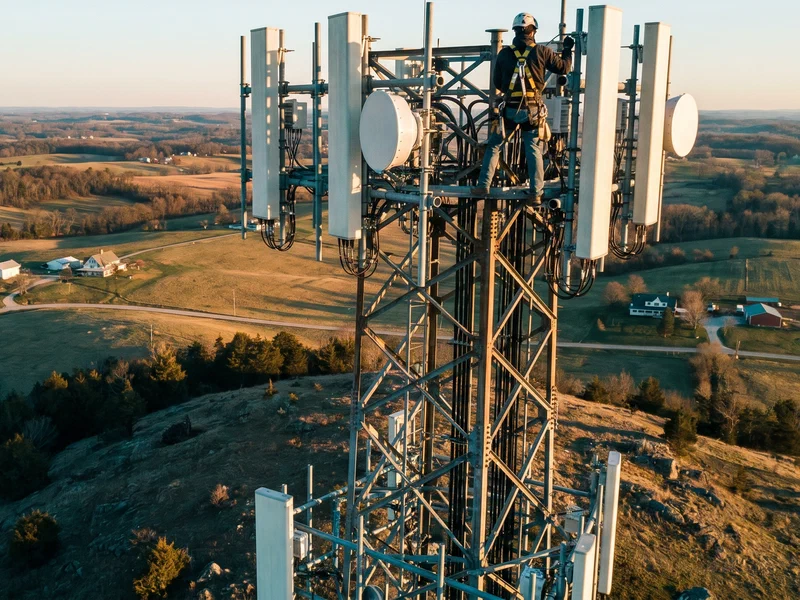
WISP / Wireless Internet
Fluent in WISP-scale gear: Ubiquiti, Tarana, Cambium, Mimosa, RF Elements. We know your margins and timelines, and we don't bill carrier rates for prosumer work.
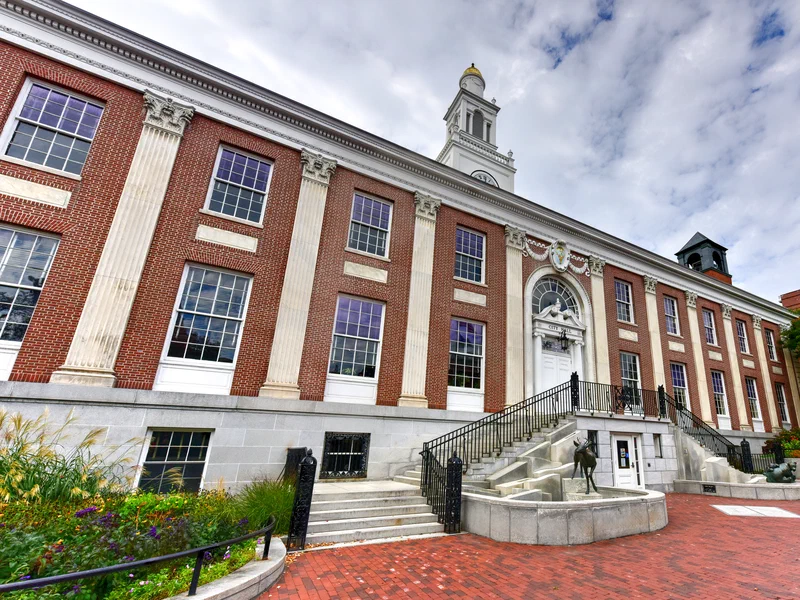
Municipal & Rural Broadband
Co-ops, municipalities, and federally-funded broadband buildouts. BEAD, ReConnect, and grant-compliant project scopes.
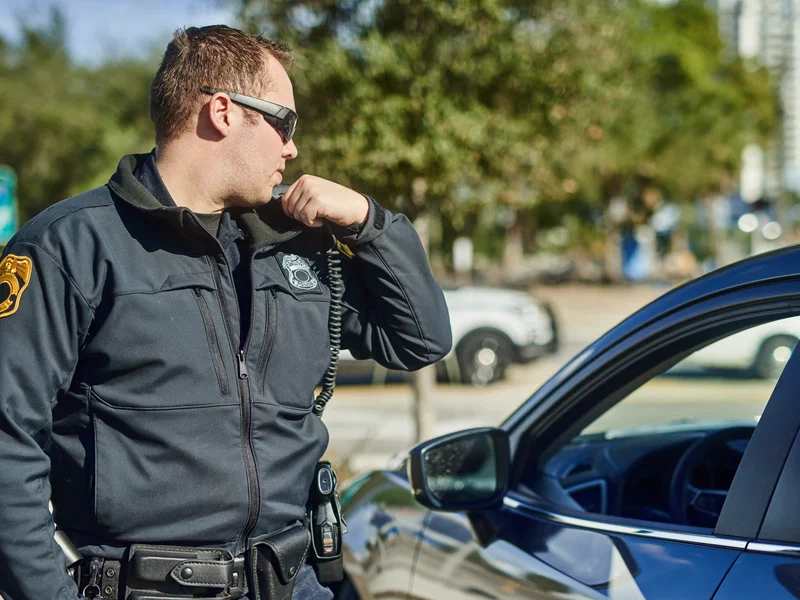
Public Safety
Two-way and broadband infrastructure for counties, municipalities, and emergency agencies. 4.9 GHz public safety band experience.
Running a rural WISP?
You want this partnership.
If the Alabama Lightwave story sounds like the kind of relationship your operation needs, send us the scope. We run the same book for other rural WISPs across the lower 48.