
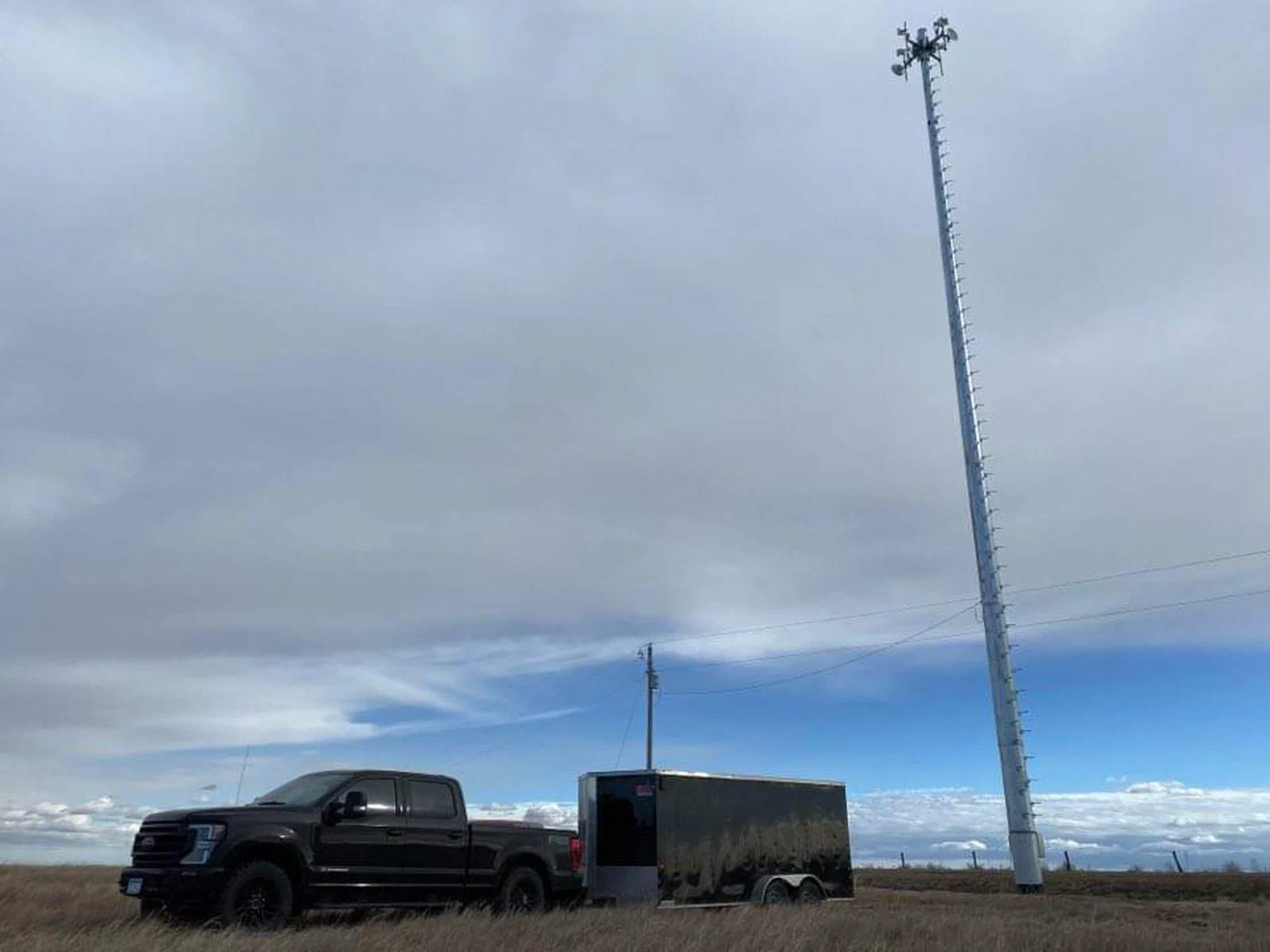
Direct Embedment Monopole Construction for Utility, Oil & Gas, and WISP Sites
A steel monopole, set directly into an augered hole in the ground, with no spread-footing foundation. The embedded portion of the pole itself carries the overturning moment via passive earth pressure. Fast to deploy, small footprint, and the standard for utility SCADA, oil and gas remote comms, pipeline monitoring, and rural WISP infill. Augered hole, pole set, backfilled to engineered spec, grounded, commissioned, and ready to carry RF.
What's included.
The full scope of a direct embedment pole build. No spread footing, no 28-day cure wait. Augered hole, pole set, backfill, ground ring, and RF install.
- Site walk, access evaluation, and soils review coordination
- FAA Form 7460-1 filing support and FCC ASR registration (when required)
- Right-of-way, easement, and utility coordination with your land-use team
- One-Call / 811 locate dispatched and documented before any augering
- Auger rig mobilization, pole-hole sizing to engineered diameter and depth
- Pole setting with crane, plumbed to TIA-222-I tolerance on-spec
- Embedment depth verification (typically 10–15% of total height)
- Backfill: flowable fill, structural concrete, or native compact backfill per spec
- Ground ring install at base: bare copper, exothermic welds, bonded before backfill
- Anchor-bolt or welded-plate terminations for mount hardware
- Antenna, dish, radio, fiber, DC, and Cat6 install on the completed pole
- Grounding to IEEE 80 / Motorola R56 or your utility’s stricter spec
- Obstruction lighting and marking per FAA AC 70/7460-1 when required
- Safety climb cable or step-bolt install to OSHA spec
- Commissioning walk, as-built drawings, and full handover documentation
Need direct embedment monopole construction for utility, oil & gas, and wisp sites on a real deadline?
Send your site details. We come back with a quote, a crew, and a schedule.
Why direct embedment is the right call on the right site.
Every tower project asks the same question: what structure type gets the RF in the air on time and under budget for this site? For remote utility substations, pipeline SCADA points, oil-and-gas facility comms, and plenty of WISP infill sites, the honest answer is often direct embedment monopole. Not a self-supporting lattice tower, not a guyed tower, and not a monopole with a spread footing.
A direct-embedment pole doesn’t need a spread footing. No weeks waiting on foundation cure. No rebar cage. No over-designed mat for a 100-foot structure that a 4-to-6 ft diameter augered hole can support just as well. The pole itself, set 10 to 15 percent of its height into engineered soils and backfilled to spec, is the foundation. It’s faster, it’s cheaper where soils allow, and on the right site it’s the structurally correct answer, not a compromise.
Where direct embedment wins.
We see direct-embedment monopoles specified most on:
- Electric utility communications. SCADA backhaul, distribution automation, and substation comms, where the utility wants a 60-to-120 ft pole up fast on a small footprint next to existing facilities.
- Oil and gas remote sites. Wellhead telemetry, pipeline SCADA, leak-detection networks, and gas-processing facility comms. Remote rural sites where civil crews and concrete trucks are a logistical cost.
- Pipeline monitoring networks. Stringing a chain of 80-to-100 ft poles down a long-haul corridor where civil foundation work on each site would dominate the build schedule.
- Public-safety infill. County 4.9 GHz backhaul sites and tactical comms installs where speed-to-air trumps aesthetic flexibility.
- WISP sites with suitable soils. Rural fixed-wireless hubs and backhaul repeaters where a spread-footing foundation would be cost-prohibitive for the revenue density of the site.
The one common thread: the job needs to be on-air fast, and the structure has to carry the loading without the schedule or cost of a full-foundation build.
Why the pole IS the foundation.
A direct-embedment pole is an engineered structural solution, not a shortcut. The pole is specified with an embedment depth based on soil-bearing capacity, wind-load class, and equipment loading. The embedded portion resists overturning moment the same way a spread footing would, just using passive earth pressure on the pole wall instead of rebar-and-concrete reaction at the base.
Typical embedment is 10 to 15 percent of total pole height. A 100 ft pole sits 10 to 15 ft in the ground. A 60 ft pole sits 6 to 10 ft. The augered hole is backfilled with whatever your engineer specifies:
- Flowable fill (controlled low-strength material, CLSM) for most sites
- Structural concrete for higher-load or less-favorable soils
- Native compact backfill for lighter loading and ideal soils
We set the pole, verify plumb and embedment, and backfill per the stamped detail. Nothing about it is guesswork.
The speed advantage is real, and it matters.
A spread-footing foundation for a self-supporting lattice tower or a foundation-mounted monopole is typically 4 to 6 weeks from site prep to steel-ready pad (accounting for concrete cure). A direct-embedment pole on the same site is 1 to 3 days from auger-rig arrival to pole set and backfilled.
If you’re an operator with 10, 20, or 50 sites to build on a grant-funded program or a utility modernization rollout, the direct-embedment option can pull months out of the overall program schedule. That’s meaningful budget impact, not just convenience.
How it goes.
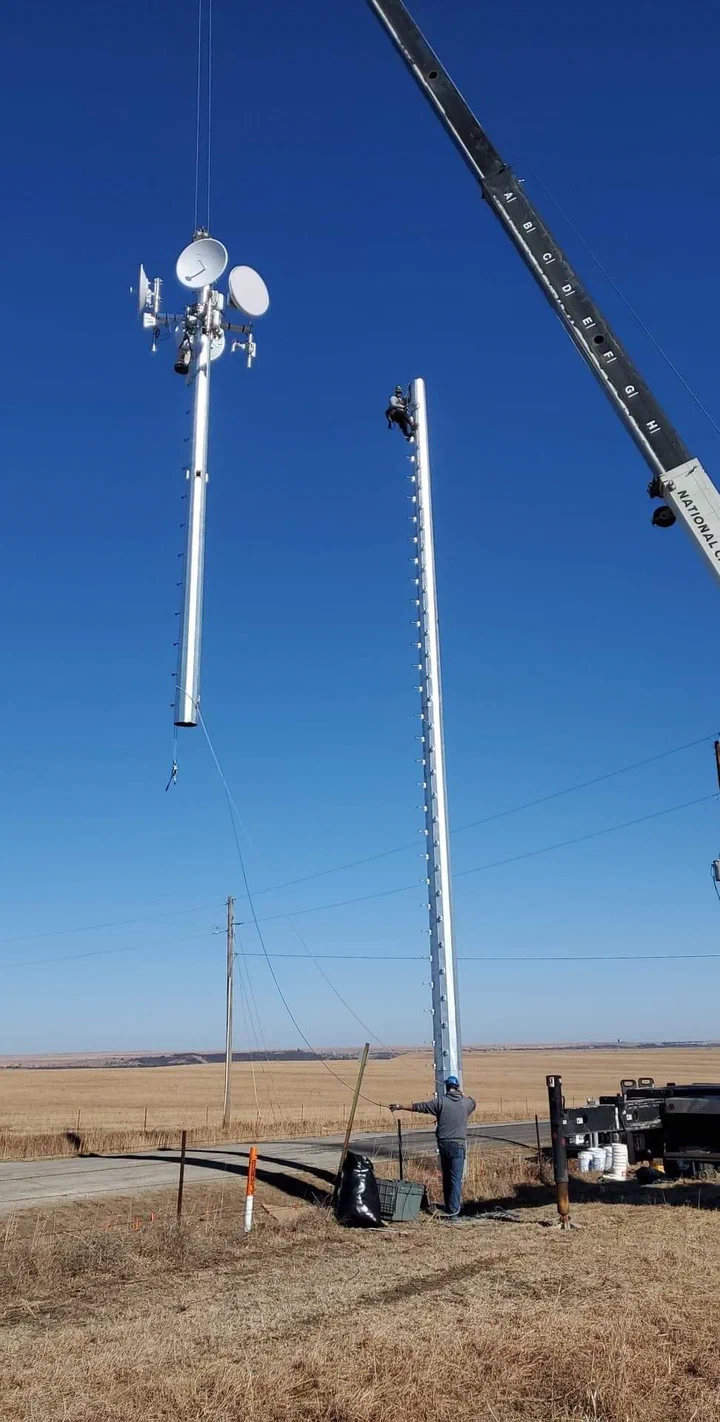
A typical direct-embedment pole build runs 1 to 3 days of on-site work per site once permits are clear and the pole is delivered. Here’s how a site flows.
Site walk and design coordination
Foreman on site, soils cone in hand, reviewing your stamped pole drawing against the access conditions. We verify auger-rig and crane reach, confirm embedment spec matches the soils, flag utilities with One-Call, and stake the pole center.
Permits and pre-construction
FAA 7460-1 and FCC ASR filings coordinated when the structure triggers notification. Right-of-way and easement paperwork reviewed with your land-use team. Utility locates documented before any digging starts.
Augering the hole
Auger rig drills the pole hole to engineered diameter and depth. Hole checked for square, depth, and sidewall condition. Any surprises (rock, saturated sand, refusal) trigger a call to your engineer before the pole goes in, not a guess from the crew.
Pole set and plumb
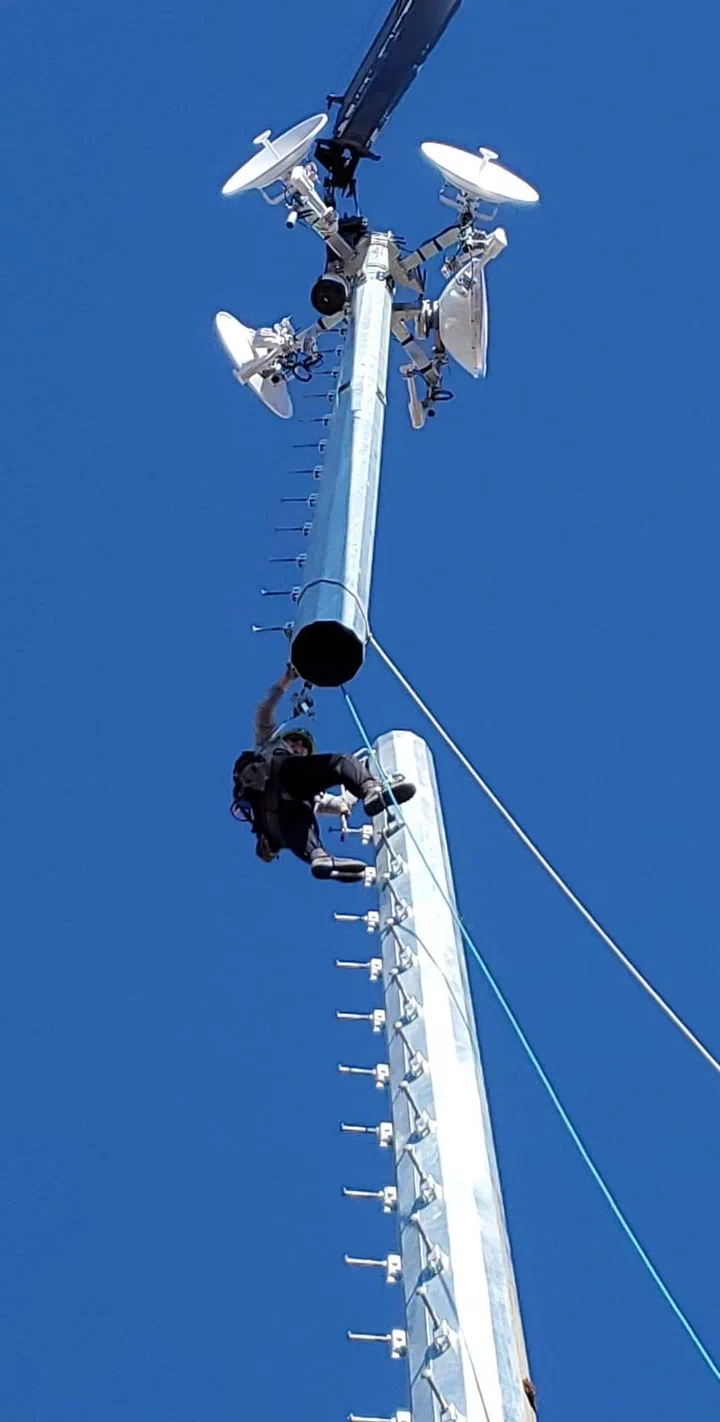
Crane sets the pole into the hole. Embedment depth verified against the stamped drawing. Pole plumbed to TIA-222-I tolerance with total station. Temporary bracing rigged if required by the backfill plan.
Ground ring and backfill
Ground ring laid around the pole perimeter, cadwelded to the pole at engineered points, and bonded to any nearby equipment grounds. Backfill placed per stamped detail, whether that’s flowable fill, structural concrete, or compacted native material. Cure time varies by material: flowable fill is typically usable within 24 hours.
RF install and commissioning
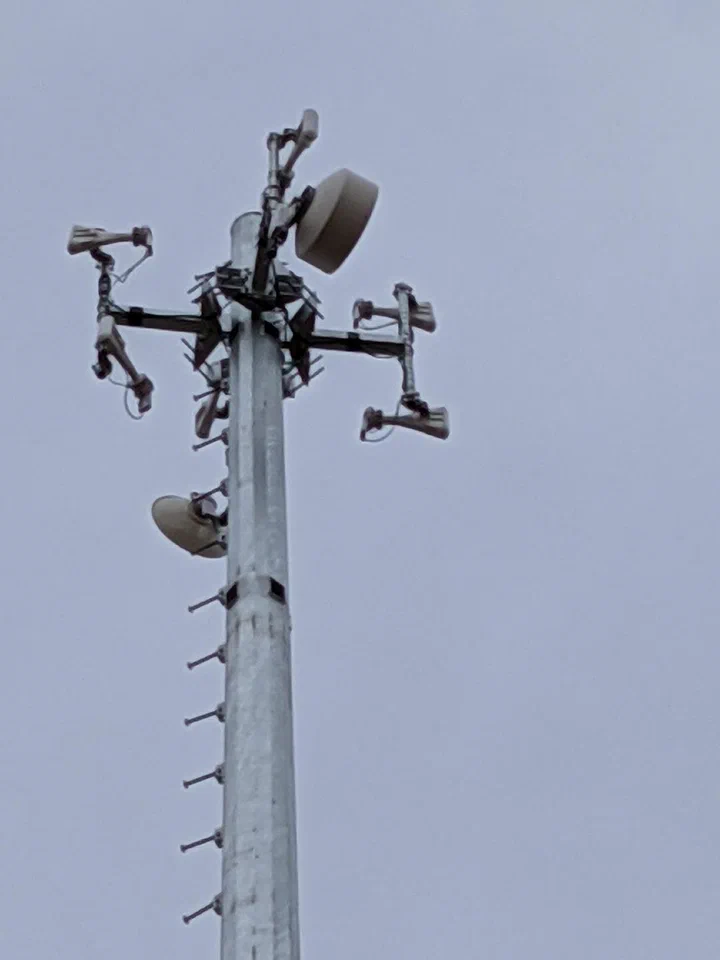
Antennas, dishes, radios, fiber, DC, and Cat6 installed on the completed pole. Feed lines grounded at top, bottom, and every 75 ft per manufacturer spec. Alignment and link-budget verification on every link before demob, using the platform’s native diagnostics.
Handover
Walk the site with your engineer or inspector. Embedment and plumb verification, grounding inspection report, alignment logs, FAA and FCC compliance documentation, and photo record delivered before we leave.
Built to standard. Inspected to code.
Direct-embedment monopoles are real structural work held to the same codes as any other tower. Nothing about ‘foundation-free’ is less engineered.
TIA-222-I
Current ANSI structural standard for antenna-supporting structures. Governs pole design, embedment depth, wind and ice loading, and plumb tolerance on every direct-embedment build we erect.
IEEE 80 / IEEE 837
IEEE grounding and bonding standards for substations and station-grade comms sites. We build to IEEE-grade grounding on any utility-owned or utility-adjacent direct-embedment install.
Motorola R56
Industry-standard grounding and bonding spec for communication sites. Default grounding standard on WISP and commercial direct-embedment installs.
NFPA 780
National Fire Protection Association standard for lightning protection. Governs surge suppression, bonding, and grounding design on every site we leave energized.
NEC Article 810
National Electrical Code provisions for radio and television equipment. Every antenna, mast, feedline, and lead-in conductor installed per NEC.
OSHA 1926 Subparts P and CC
Federal standards for excavations and for crane operations. Augering counts as excavation. Pole-setting counts as a crane lift. Both governed, both followed.
ANSI/ASSP A10.48
Consensus safety standard for communication-tower work. Governs climber qualification, fall protection, and authorized rescue on any work at height on completed poles.
FAA 7460-1 / FCC ASR
Required FAA notification when structures exceed 200 ft AGL or sit near a public-use airport. We coordinate filings, track determinations, and handle ASR registration as part of scope when applicable.
Gear & certifications.
Equipment
- Auger rigs: truck-mounted and tracked, sized to hole diameter and depth
- 60–80 ton mobile cranes for pole setting; pre-qualified regional partners
- Pole transport and staging: extendable trailers sized to pole length
- Flowable-fill pump trucks and concrete placement tooling
- Cadweld tooling and bare-copper inventory for base grounding
- Total station for embedment and plumb verification
- Native-radio diagnostics for RF commissioning on every install (Ubiquiti, Cambium, Tarana platform tooling)
- Self-contained crew trailers: rigging, RF tooling, and ground materials travel with us
Certifications & insurance
- OSHA 10 / 30 compliant crews
- OSHA 1926 Subpart P competent person for excavation
- OSHA 1926 Subpart CC qualified signal person for crane work
- SafetyLMS / NATE climber certification for work on completed poles
- Fully insured: general liability and workers’ compensation, umbrella available
Questions we get a lot.
What is a direct embedment monopole?
How deep does the pole go into the ground?
How is the hole backfilled?
Three common options, driven by your engineer’s stamped detail:
- Flowable fill (controlled low-strength material, CLSM): the most common choice. Self-leveling, reaches usable strength in 24 hours, easy to excavate if the site ever needs to be dismantled.
- Structural concrete: higher strength for heavier loading or less-favorable soils. Adds cure-time to the schedule but gives maximum foundation stiffness.
- Native compact backfill: lighter loading and ideal soils only. Compacted in lifts to spec.
Spec comes from the engineer. We don’t guess.
How is this different from a self-supporting lattice, a guyed tower, or a foundation-mounted monopole?
Structurally, a direct-embedment pole has no spread footing, no drilled pier under it, and no guy anchors radiating out from the base. It’s one piece of steel, set into engineered ground. That means:
- Faster build. 1 to 3 days of on-site work vs. 4 to 6 weeks for a spread-foundation tower (mostly concrete cure time).
- Smaller footprint. No guy-wire radius, no oversized foundation pad. The pole and a small compound is all you need.
- Different height range. Most direct-embedment work runs 60 to 120 ft. Above roughly 150 ft, pole weight, embedment depth, and wind loading push the economics toward a spread-foundation monopole or a self-supporting lattice design.
See our tower erection page for self-supporting lattice, guyed, and foundation-mounted monopole builds.
How tall can you build direct-embedment?
How fast can you mobilize?
Do you handle FAA and FCC filings?
What about grounding on utility sites?
What soils can you direct-embed in?
Most soils, with the right engineering. Specifically:
- Cohesive clays and silts — ideal, predictable passive pressure.
- Sandy soils, dense or well-graded — fine with structural concrete backfill.
- Rock refusal — workable, but the engineer may call for a rock-socketed design instead of standard embedment.
- Loose saturated sand or soft peat — usually disqualifies direct-embedment; a spread footing or deep-pile foundation is the correct answer.
A soils report from your geotech is the starting point. If conditions surprise us on-site (it happens), we pause and call your engineer before any pole goes in.
How much does a direct-embedment monopole cost?
Fixed fee on defined scope, with unit rates and change orders for field conditions. Quoted off your stamped drawing. Order-of-magnitude:
- Small utility SCADA or WISP pole (60 to 80 ft): lower five figures on accessible sites with favorable soils.
- Standard comms pole (80 to 120 ft, 2-to-4 carrier loading): mid-to-upper five figures for a typical multi-site program.
- Tall direct-embedment build (120 to 150 ft on favorable soils): six figures, driven by pole weight, embedment-depth augering, mobilization distance, and site access.
The variable with the biggest impact on price is access. A remote corridor site 20 miles off pavement drives different logistics than a pole next to a substation road. Send us the drawings and you’ll have a line-itemed quote inside a week.
Do you install the antennas and radios too?
Can you run multi-site programs?
What's your service area?
How do I get started?
Send us the stamped pole drawing, the site locations (address, coordinates, or a list for multi-site programs), soils info if you have it, and your target schedule.
Request a quote here or call us at (763) 280-6050. Most customers have a line-itemed quote within a week.
Don’t see your question? Ask us directly. We answer every scoping call.
Related services.
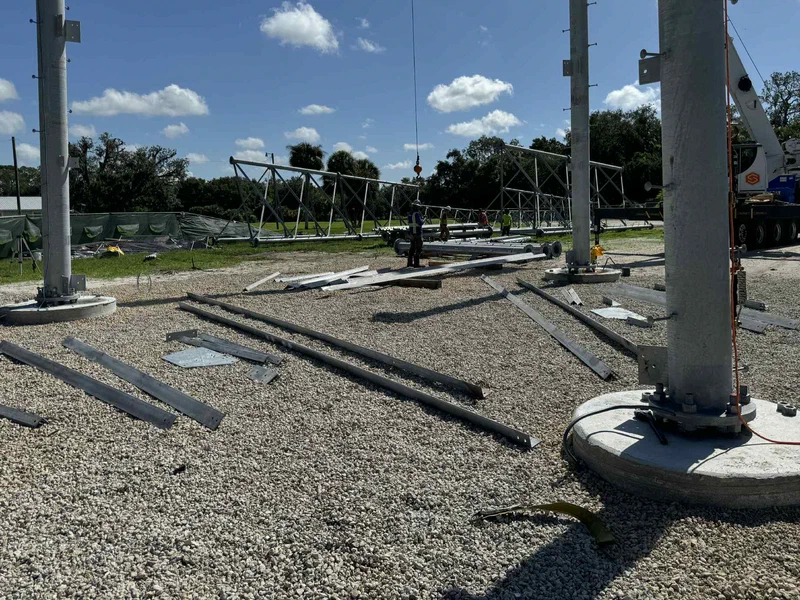
Tower Erection
Guyed, self-supporting, and monopole structures up to 300ft.
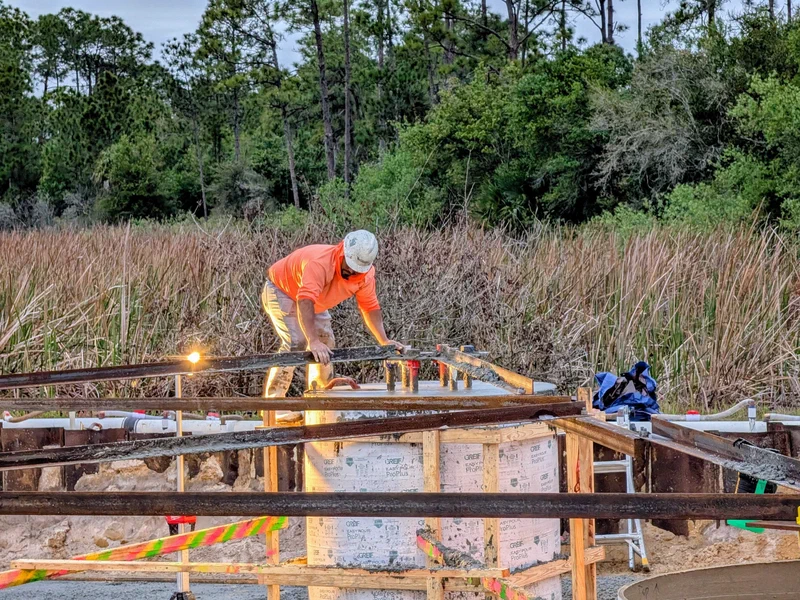
Foundations & Civil
Excavation, rebar, concrete, grading, fencing, and ground rings.
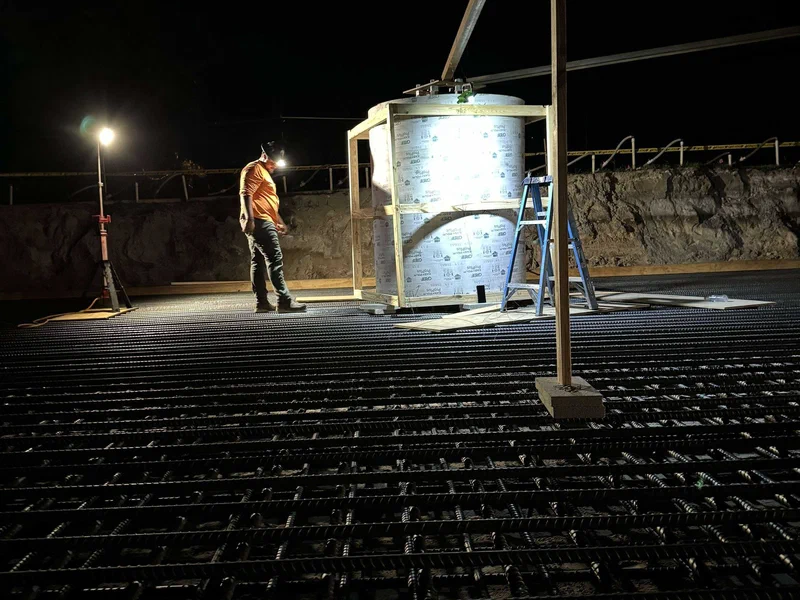
New Site Builds
Empty dirt to operational tower, one crew, one point of contact.
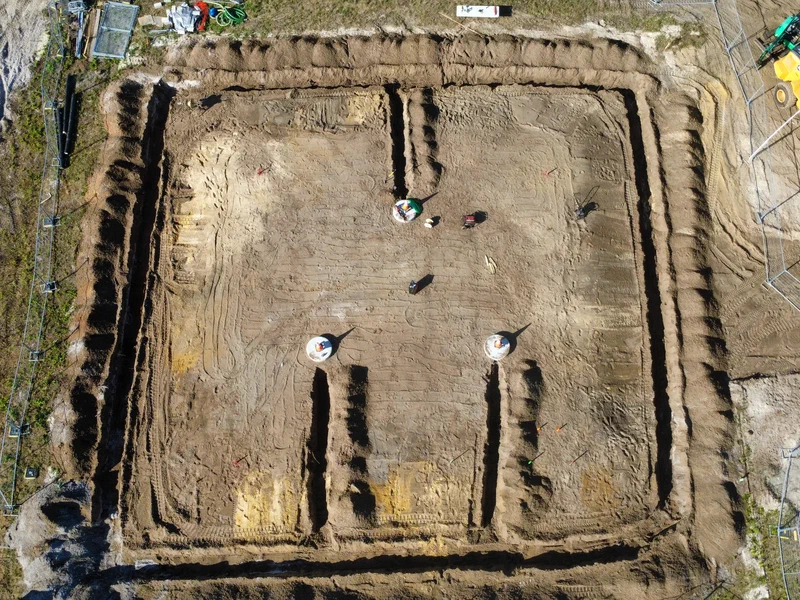
Grounding & Cadwelding
Ground rings, exothermic welds, bonding to NEC and manufacturer spec.
Antenna & Radio Install
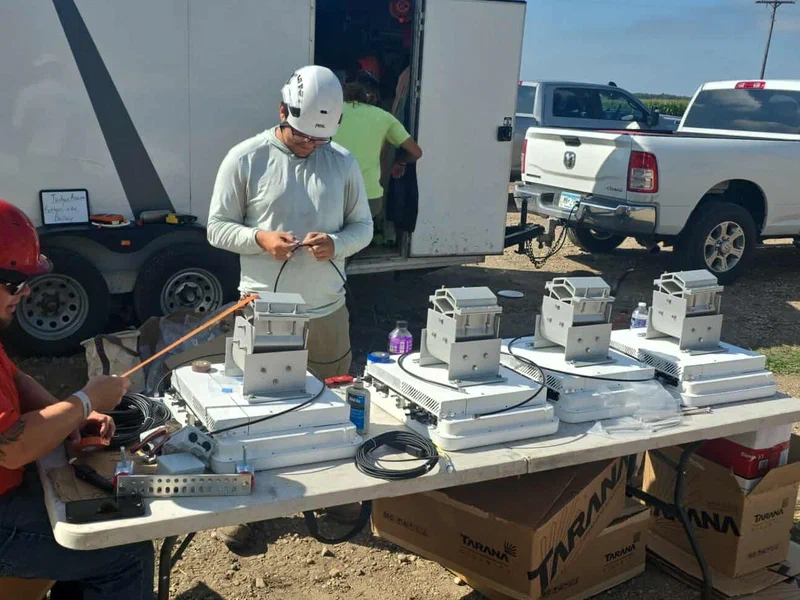
Antennas, radios, fiber, DC, and Cat6. Ubiquiti, Cambium, Mimosa, Tarana, Nokia, and more.
Page last updated July 30, 2026.
Tell us the site.
We'll bring the steel.
Send the location, tower type, scope, and timeline. We come back with a quote, a crew, and a schedule you can build a business around.