
New Site Builds: Turnkey Tower Construction
We show up to an empty site and hand you a fully operational tower. Foundation to finish, dirt to dish. One crew, one point of contact, one schedule. Built to TIA-222-I, commissioned to your RF spec, ready to bill on day one.
What's included.
Everything a revenue-ready site requires, under one scope of work. No subs to coordinate, no handoff gaps, no split-incentive finger-pointing.
- Site walk, access evaluation, and soils review coordination
- FAA Form 7460-1 filing support and FCC ASR registration (when required)
- Zoning and local permit coordination with your land-use team
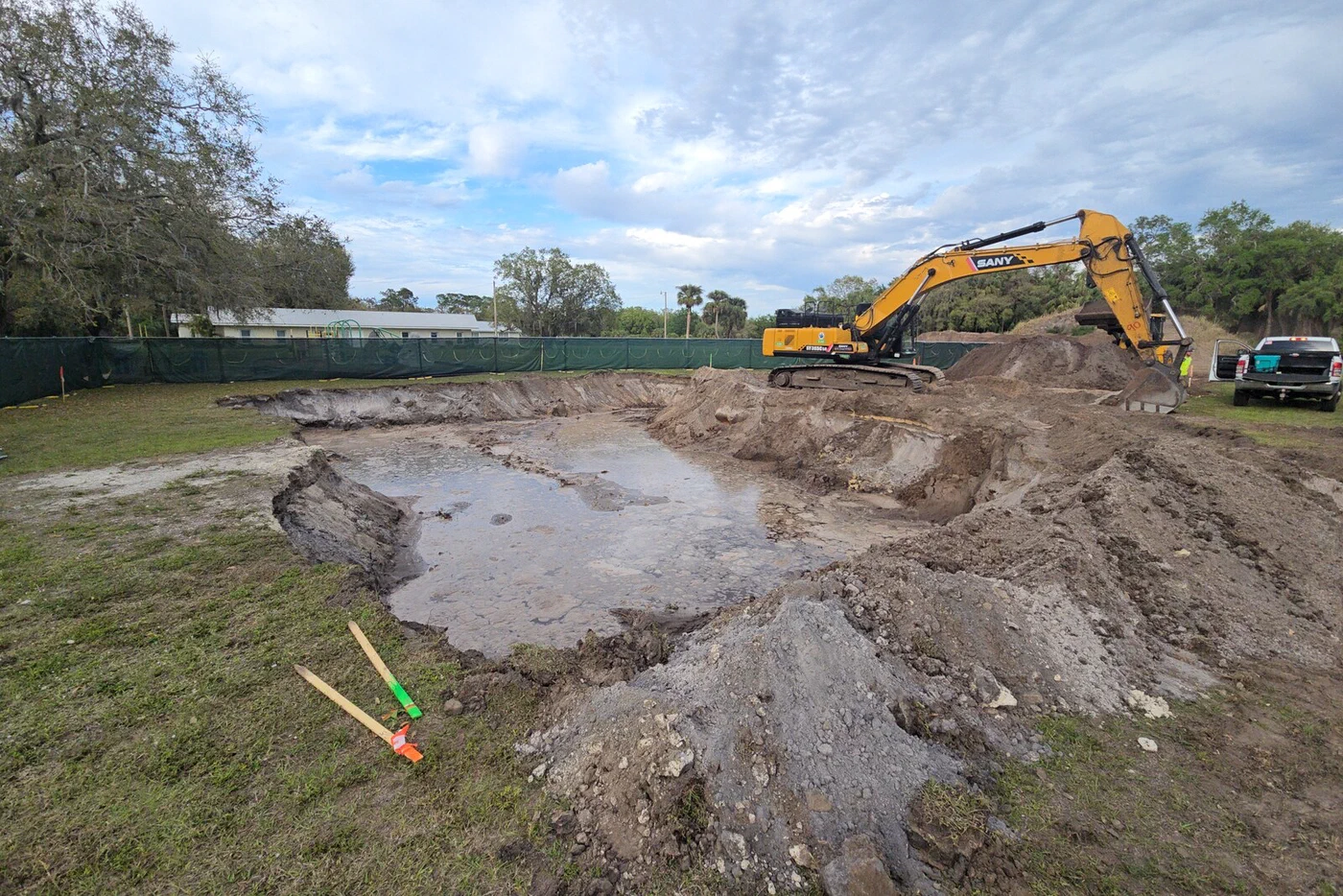
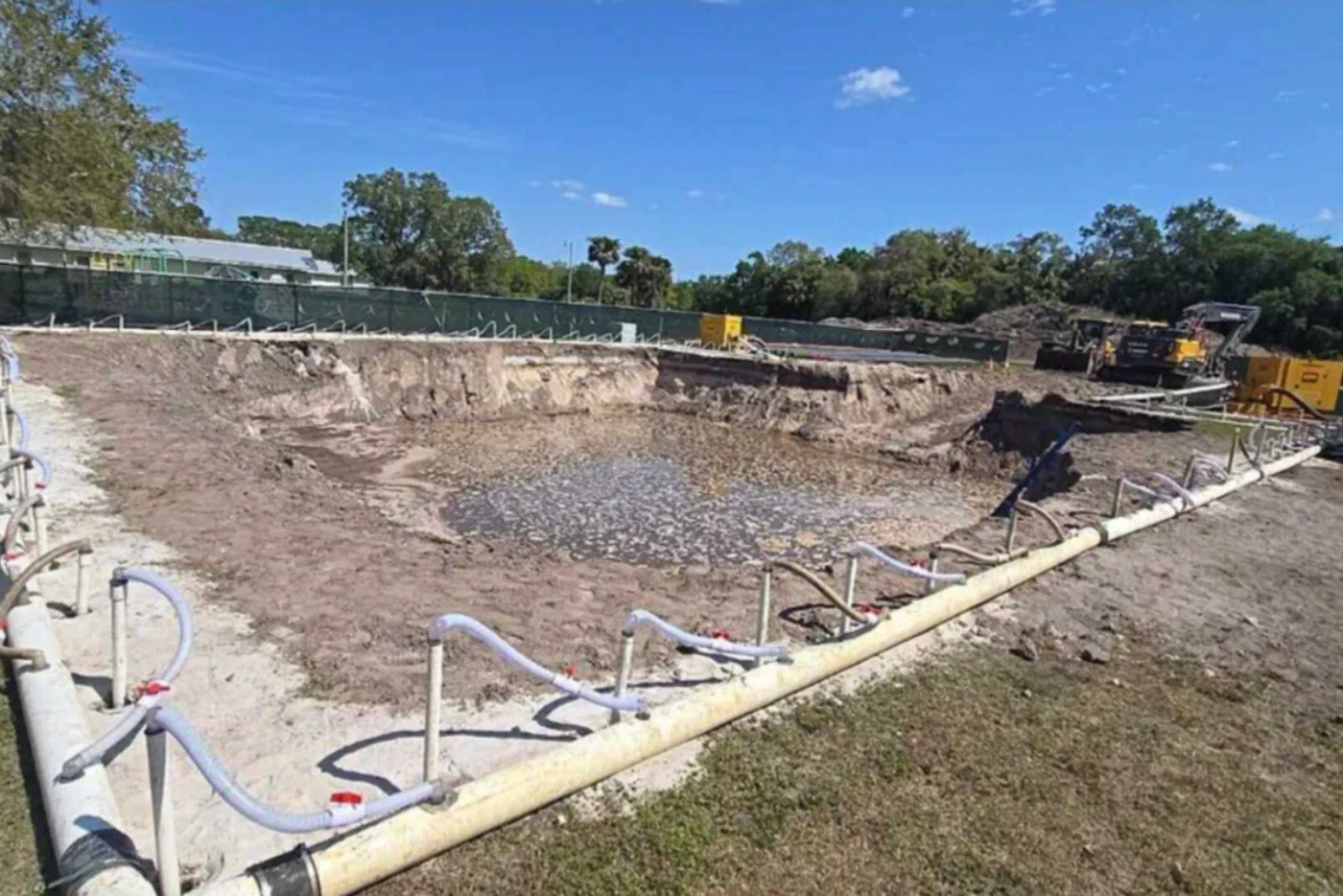
- Land clearance, grading, drainage, and access-road construction
- Foundation design coordination with your engineer of record
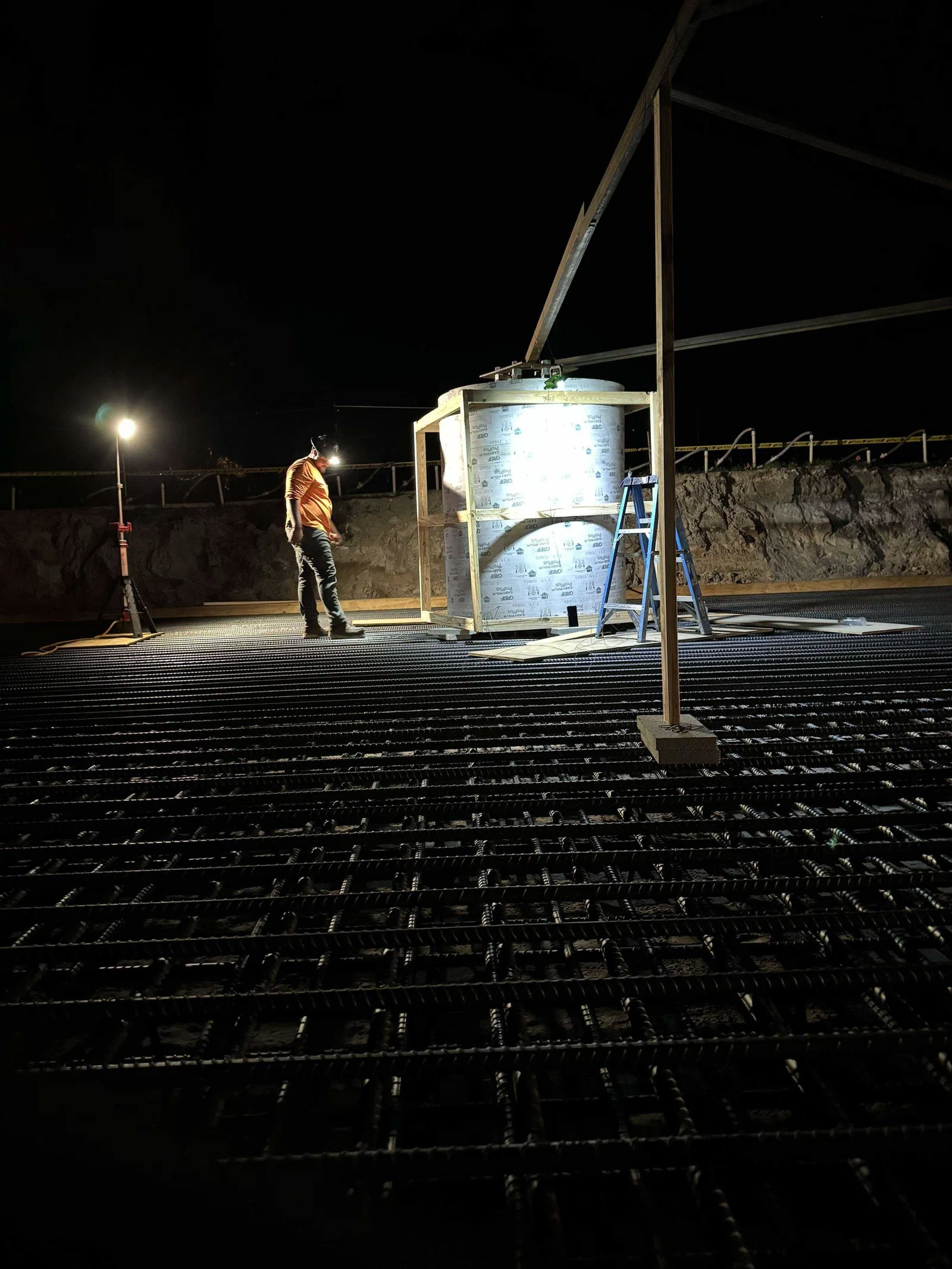
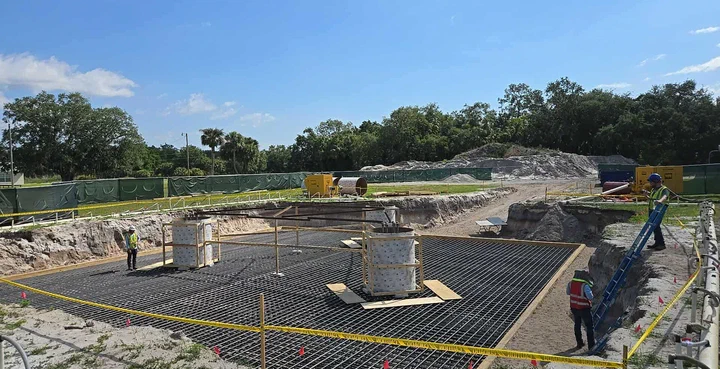
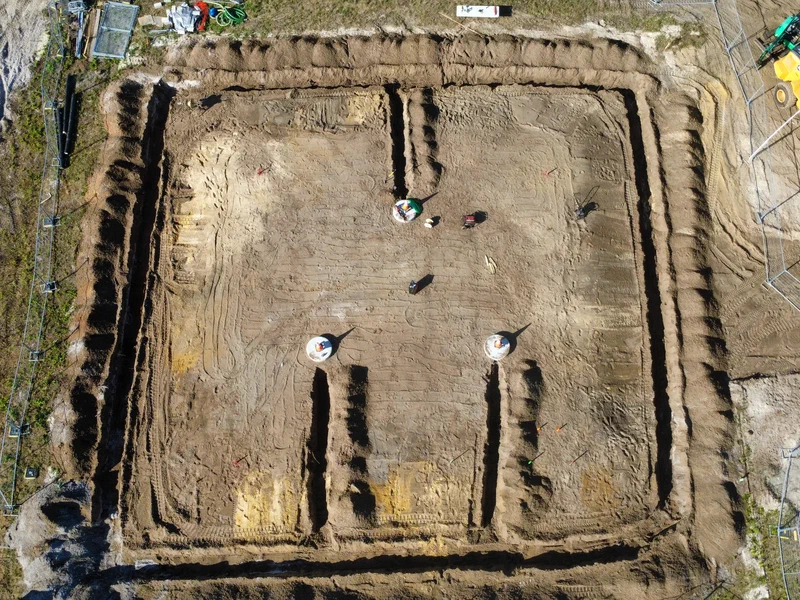
- Excavation, rebar cage fabrication, and 4,000–5,000 PSI concrete pour
- Ground ring install: bare copper, exothermic welds, bonded before backfill
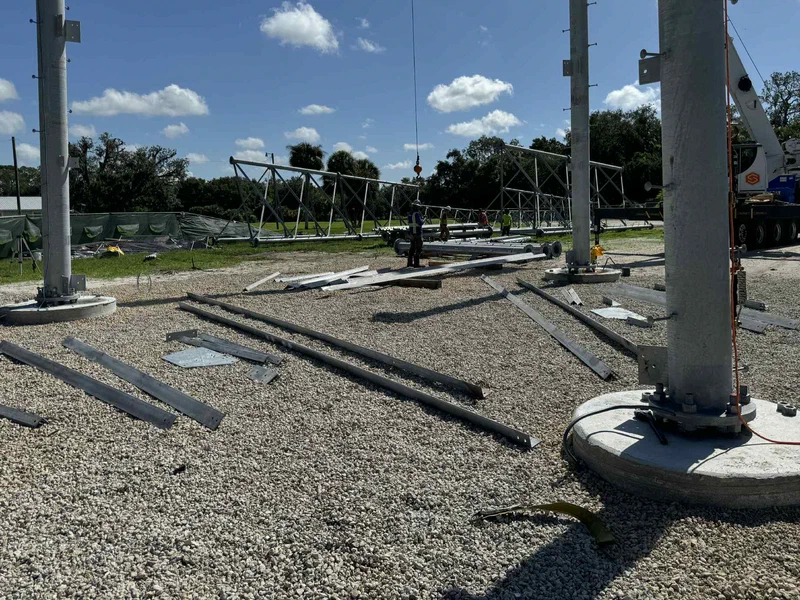
- Tower erection: guyed, self-supporting, or monopole to 300 ft
- Anchor rods, bolt-up, plumb, and guy tensioning to TIA-222-I spec
- Galvanizing inspection and connection-plate torque verification
- Antenna, dish, radio, and hybrid fiber (DC/fiber) installation with RF commissioning
- Structural and electrical grounding per Motorola R56 and NFPA 780
- Obstruction lighting per FAA AC 70/7460-1 (when required)
- Tower painting to FAA AC 70/7460-1 aviation-orange and white (when required)
- Fencing, gates, compound finishing, and weed mat
- Punch-list walk, as-built drawings, and full handover documentation
Need new site builds: turnkey tower construction on a real deadline?
Send your site details. We come back with a quote, a crew, and a schedule.
One point of contact. We manage everything behind it.
Most WISPs, utility telecom managers, and tribal broadband directors don’t want to project-manage five different subcontractors. A typical tower build, run as separate engagements, means coordinating a civil contractor, a steel erector, an RF integrator, a grounding specialist, engineering, and sometimes a separate rigger. Each has their own schedule, their own insurance certificates, and their own change orders. Each also has their own willingness to blame the other four when something slips.
We run civil, steel, and RF in-house, and we manage the rest (structural engineering, geotechnical, local permit agents, utility coordination) on your behalf. That means one schedule, one scoped quote, one number to call when the weather turns. Foundations pour on Tuesday, base sections go up Wednesday morning, and nobody’s waiting on a subcontractor’s subcontractor to show up.
What "operational" actually means.
Handover isn’t “tower standing.” Handover is:
- Tower plumb to L/1500 tolerance per TIA-222-I.
- Every bolt torqued and verified per stamped detail.
- Guy wires (if applicable) tensioned with tension-meter tooling to engineered pre-load.
- Ground ring bonded to every structural leg and every piece of equipment, cadwelded, not clamped.
- Link budget closeouts and alignment confirmed via antenna aligner on every link or sector.
- Obstruction lighting commissioned and monitored (when required).
- Structural sign-off and grounding inspection report delivered, coordinated with the engineer of record on any stamped as-builts.
- A signed punch-list walk with your engineer or inspector.
If a site can’t bill on day one of service, we haven’t finished the job.
Why turnkey saves money on WISP-scale work specifically.
Every WISP site has its own scope. A 190-ft self-supporter and a 300-ft guyed build are wildly different jobs once you account for crane class, crew days, and rigging. We take the time to walk your stamped drawings and equipment loading with your team, and we quote the site that’s actually in front of us, not a template.
We built the company on WISP work. Our crews know the gear (Ubiquiti AirFiber, Cambium ePMP, RF Elements horns, Mimosa C-series, Tarana, Nokia) because we install it every week. We don’t overkill a 150-ft self-supporting tower with a foundation designed for a 400-ft heavy-loaded build when your engineer says 8-ft drilled piers will do just fine. And we don’t under-price a 300-ft build that actually needs a 30-ton crane day just to flatter the bid. See the Streamline Internet Hendry County case study for an ongoing 4-carrier program taken turnkey from ground-break to turn-up, with four sites complete and more in development.
When to get us involved.
Any step. We can step in before or after the foundation work, before or after tower erection, or pick up a stalled build from another contractor. The best jobs start earliest, but we’ve helped on plenty that came to us mid-stream.
Have nothing but a coverage requirement? We’ll run the RF modeling, propose a site, and quote from there. Have stamped drawings and a pour already on the ground? We’ll walk the as-built and put a crew on it. Somewhere in between? That’s where most of our work lives.
Either way, send us the details and we’ll come back with a quote, a crew, and a schedule you can build a business around.
How it goes.
A typical new site build runs 8–14 weeks end-to-end, gated mostly by foundation cure and permit timelines. Here’s how a job flows.
Site walk and assessment
Two crew leads on site with a soils cone, a compass, and a laser rangefinder. We verify your RF coverage assumptions against line-of-sight, check access for 60-ton crane reach, flag drainage and easement issues, and stake the tower center.
Permits and pre-construction
FAA 7460-1 notification filed early (review can take 30–90 days for structures over 200 ft). FCC Antenna Structure Registration filed in parallel when applicable. We coordinate with your zoning attorney on local permits and stage materials while paperwork clears.
Civil and foundation
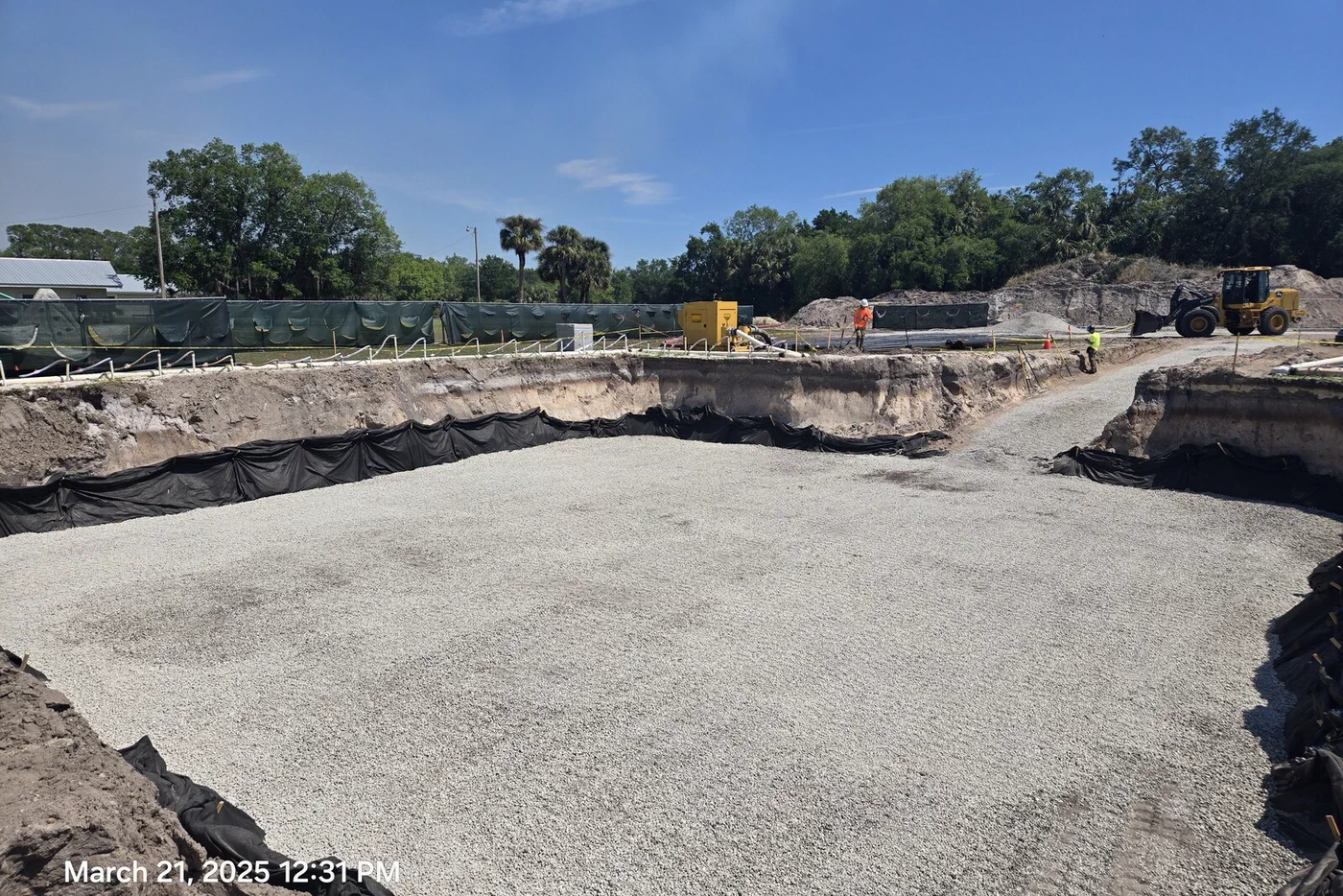
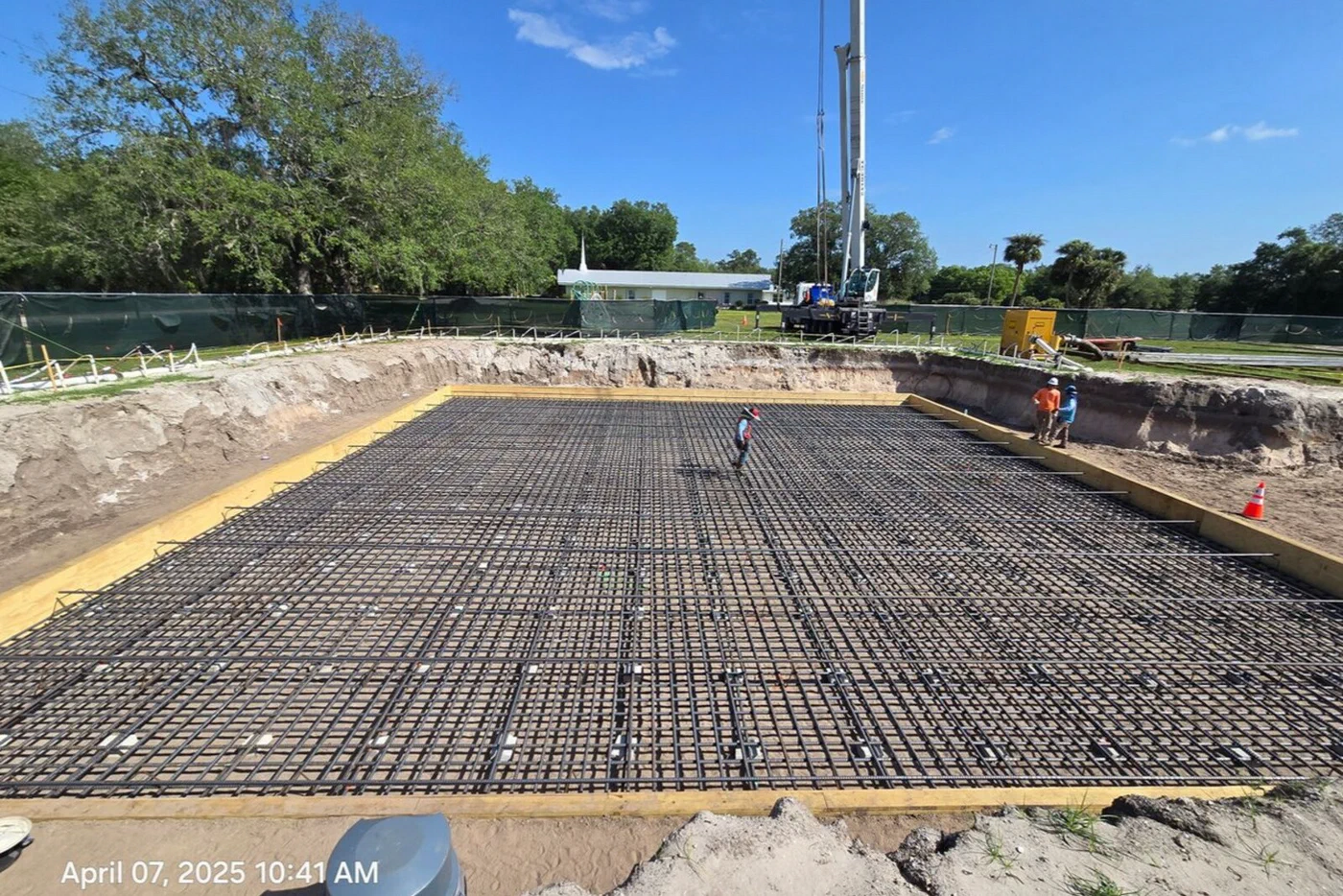
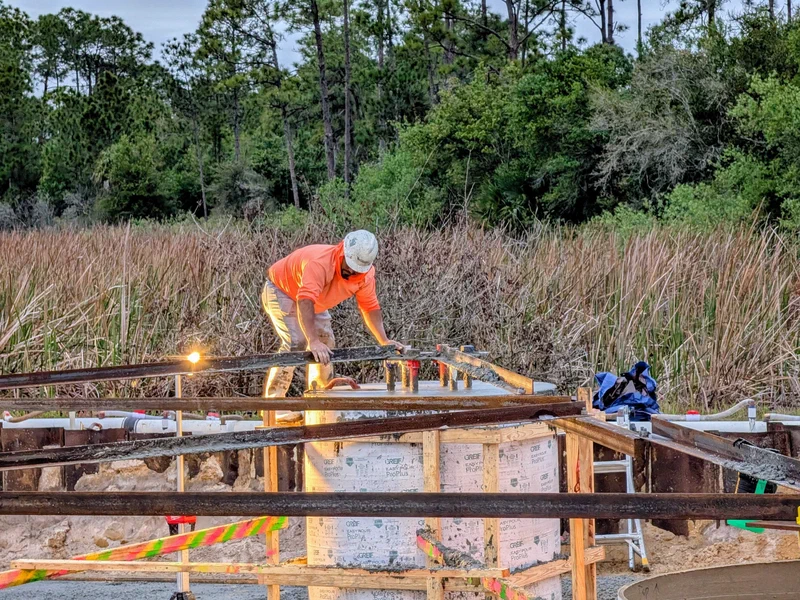
Clearance and grading first, then excavation to engineered depth (typically 8–14 ft for drilled piers, more for mat foundations). Rebar cage tied on-site, concrete placed to 4,000–5,000 PSI spec. Ground ring laid in before backfill. Foundation cures to 70% strength in about 7 days, 100% at 28.
Steel up
Base section set at partial cure, upper sections flown by crane or gin pole. Every bolt torqued to ASTM A325/A490 spec. Tower plumbed to L/1500 tolerance. Guy wires, if applicable, tensioned with load cells to engineered pre-load, never by feel.
RF install and grounding
Antennas, dishes, and radios mounted per RF plan. Hybrid fiber (DC/fiber) runs bracketed and weatherproofed, with the cable’s armor and messenger bonded at top, bottom, shelter entry, and at the manufacturer’s grounding-kit intervals on the vertical run (commonly ~200 ft for hybrid trunks). Radios bonded mechanically via ground lug to the nearest ground bar; antenna brackets, cable trays, and structural tie-ins to the ring via cadweld. Lightning suppressors at every bulkhead.
Commissioning and handover
Full RF site test, link budget closeouts against design, alignment confirmed via antenna aligner on every link or sector. Punch-list walk with your engineer. Structural sign-off, grounding inspection report, and photo documentation delivered before demob. Stamped as-built drawings coordinated with your engineer of record.
Built to standard. Inspected to code.
Regulatory and engineering frameworks every new tower we build complies with by default. Listed here so your engineer, inspector, and insurance carrier don’t have to ask twice.
TIA-222-I
Current ANSI structural standard for antenna supporting structures. Governs steel design, wind loading, ice loading, guy tension, plumb tolerance, and bolt specification on every tower we erect.
FAA 7460-1
Required notification for any structure over 200 ft AGL, or near public-use airports. We file it for you and track the determination through to issuance before steel goes up.
FCC Part 17 / ASR
Antenna Structure Registration required for towers needing FAA notification. We handle ASR filing, painting, and obstruction-lighting compliance as part of scope.
Motorola R56
The industry-standard communication-site grounding and bonding specification. Every ground ring, cadweld, and equipment bond we install is R56-compliant.
NFPA 780
National Fire Protection Association standard for lightning protection. Guides our surge suppression, bonding, and grounding design at communication sites.
NEC Article 810
National Electrical Code provisions for radio and television equipment. Every antenna, mast, feedline, and lead-in conductor is installed per NEC.
OSHA 1926 Subparts CC and R
Federal rigging, crane, and steel-erection safety standards. Our site safety plan, rescue plan, and 100% tie-off policy are built to these sections.
ANSI/ASSP A10.48
Consensus safety standard specifically for communication-tower work. Governs climber qualification, fall protection, rescue readiness, and site organization on every job.
NEPA and Section 106
We coordinate the FCC environmental (NEPA) and historic-preservation (NHPA Section 106) review process when your site triggers review, so nothing gets stopped mid-build.
Gear & certifications.
Equipment
- Excavators: Volvo EC series, Sany SY series, for pier and pad foundations
- Wheel loaders and skid steers for site prep, grading, and backfill
- 60–80 ton cranes for section flies up to 300 ft; rigging crews factory-trained
- Gin-pole rigging for tight-access sites where crane reach isn’t viable
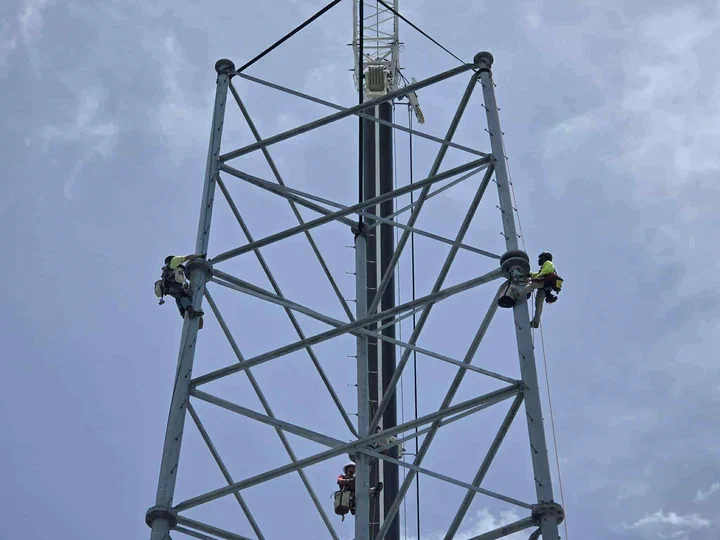
- In-house climb team: 100% tie-off, authorized climber rescue on every crew
- Torque-calibrated impact tools and tension-meter tooling for bolt-up and guy pre-load
- Antenna-aligner tooling for link and sector commissioning on every install
- Self-contained trailers: tools, tie-offs, and spares travel with the crew
Certifications & insurance
- OSHA 10 / 30 compliant crews
- SafetyLMS-certified tower climbers
- Authorized climber rescue on every crew
- FCC GROL operators on RF installs
- Fully insured: general liability and workers’ compensation
Questions we get a lot.
How long does it take to build a new communications tower from scratch?
A typical new site build runs 8 to 14 weeks from contract signature to commissioned handover. The big variables are permitting (FAA 7460-1 alone can take 30–90 days), foundation cure (7 days to 70% strength, 28 to full), and weather.
If FAA notification is already cleared and the foundation design is finalized, the physical build (civil, foundation pour, steel erection, RF install, and commissioning) compresses into roughly 3 to 5 weeks of on-site work.
What does a turnkey tower build actually include?
Everything from the first site walk to the final punch-list walk: civil, foundation, steel, RF, grounding, commissioning, finishing, and handover documentation, all under one contract. See the full scope list above.
The alternative is hiring a civil contractor, a steel erector, an RF integrator, and a grounding specialist as four separate engagements, then project-managing the handoffs yourself. One missed handoff is a week of downtime and a crew of climbers you’re paying to stand around. Turnkey eliminates the gaps.
What tower types do you build?
Guyed towers. Cable-stayed lattice, most cost-effective for taller heights (commonly 200–500 ft in our WISP and broadcast work). Smaller central pier, but a wide guy-anchor radius.
Self-supporting towers. Three-legged lattice, no guys required. Largest base compound of the three types because the leg spread and foundation below are the widest, but no guy-anchor radius to site around. Common heights 100–300 ft.
Monopoles. Single-tube structures, the lowest visual impact, preferred for urban and sensitive siting. Typical heights 60–200 ft.
Direct-embedment monopoles. Monopole set directly into an augered hole without a spread-footing foundation. Fast to deploy and the standard for utility SCADA and oil and gas remote sites. See our direct embedment service.
How tall can you build?
How much does a new tower build cost?
It depends heavily on tower type, height, equipment loading, site access, foundation design and materials, and whether FAA or FCC review is in play. To give you a usable sense of order-of-magnitude:
- Small monopole (60–120 ft, WISP-scale loading): lower five figures for a direct-embedment pole on a simple site, into the six figures for a foundation-set monopole in a complex jurisdiction.
- Self-supporting or guyed (180–300 ft): typically six figures, with foundation design and steel tonnage driving most of the spread.
We structure each project as a fixed fee on a defined scope, with unit rates and change orders for field conditions to protect both schedule and cost. Send us your site details and you’ll have a line-itemed quote inside a week.
Do I need an FAA filing for my tower?
If your structure is more than 200 ft above ground level, or sits within certain distances of a public-use airport, federal law requires an FAA Form 7460-1 notice-of-proposed-construction filing. Many towers shorter than 200 ft also require notification if they’re near an airport or an instrument approach path.
We file 7460-1 for you as part of the turnkey scope, track the determination through to issuance, and handle the FCC Antenna Structure Registration that typically follows.
How deep does a tower foundation go?
Depends entirely on the engineered design, which is driven by soils, tower type, and loading. Rough ranges:
- Drilled-pier foundations (monopole or self-supporting): typically 8–20 ft deep, 3–6 ft diameter.
- Spread footing / mat (heavy self-supporting): 3–6 ft thick mat, 10–20 ft square or octagonal.
- Guy anchors: concrete blocks typically 4–8 ft on a side, embedded to the frost line and well beyond.
- Direct-embedment monopoles: pole set 10–15% of total height into an augered hole, backfilled with flowable fill or concrete.
We work from your engineer of record’s stamped design. If you don’t have an engineer yet, we can bring one in.
What standards do you build to?
Do you do the RF install too, or just the tower?
What’s your service area?
Do you handle tribal, BEAD, and federally-funded project requirements?
How do I get started?
Send us the site (address, coordinates, or a pin on a map), your intended tower type and height, the equipment loading if you know it, and your target schedule. Request a quote here or call us at (763) 280-6050.
On first contact we’ll either quote from the info you provide or schedule a site walk. Sometimes both, back-to-back. Most customers have a line-itemed quote within a week.
Don’t see your question? Ask us directly. We answer every scoping call.
Page last updated August 21, 2026.
Tell us the site.
We'll bring the steel.
Send the location, tower type, scope, and timeline. We come back with a quote, a crew, and a schedule you can build a business around.