
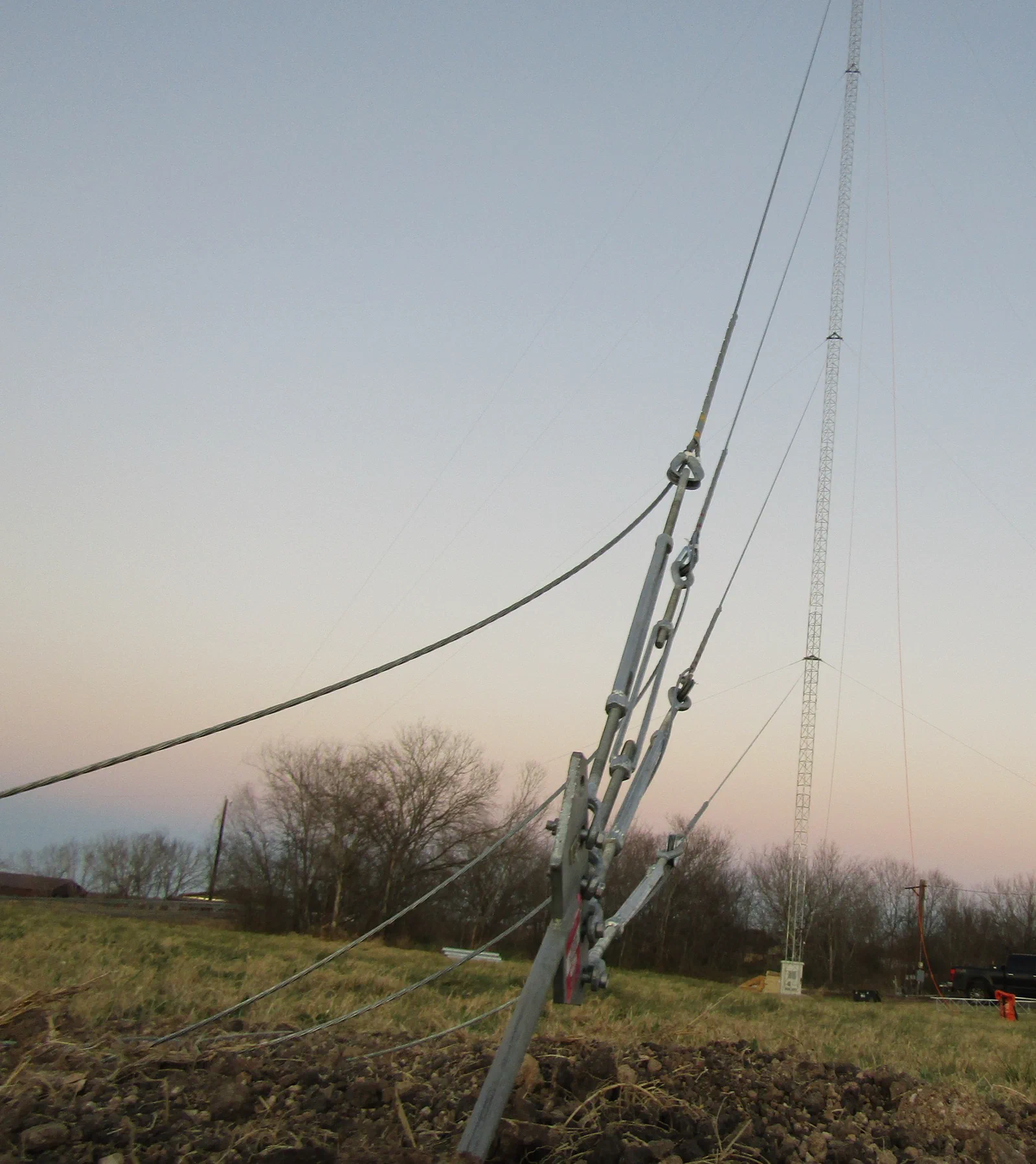
Plumb & Tension
An off-plumb tower is a failing tower. TIA-222-I plumb verification, guy-wire tensioning to engineered pre-load, and post-storm correction work. Done with load cells and a total station, not by feel. Documented in a signed report that passes an inspector.
What's included.
The full scope of a plumb-and-tension visit, from scheduled annual inspection to emergency storm-displacement correction. Documented, measured, signed.
- Full-height plumb verification to TIA-222-I L/1500 tolerance (roughly 1 inch per 125 ft of height)
- Total station measurement at every guy elevation
- Guy-wire tension measurement with load cells on every cable, not by feel
- Re-tensioning to engineered pre-load values per stamped drawing
- Anchor-bolt inspection: torque, corrosion, and foundation condition
- Guy-wire termination inspection: strand, grips, thimbles, and end-point hardware
- Turnbuckle inspection and lubrication where applicable
- Connection-plate torque verification on a statistical sample per bolt grade
- Climb-system inspection (safety climb, step bolts, ladder continuity)
- Post-storm emergency response for displaced or partially-failed structures
- Structural-integrity assessment coordination with your PE of record
- Documentation: signed plumb-and-tension report with measured values per guy set
- Photo record of any findings flagged for follow-up
- Re-inspection schedule recommendation based on site conditions
Need plumb & tension on a real deadline?
Send your site details. We come back with a quote, a crew, and a schedule.
A tower slowly going out of plumb is how towers quietly fail.
Towers don’t usually fail suddenly. They drift. A guy wire creeps two percent out of tension over a season. A temperature cycle works a turnbuckle loose. The ground settles under one of the guy anchors during a wet year. The tower tilts 6 inches over 15 years. Every one of those individual changes is small. Stacked up, they cross the threshold where the structure is no longer carrying its design load the way your engineer modeled it.
Periodic plumb-and-tension is how you catch that drift before it becomes a problem. It’s also how you pass the next insurance audit, satisfy your state broadband program reporting, or close out a post-storm event with documentation that says the structure is back in spec.
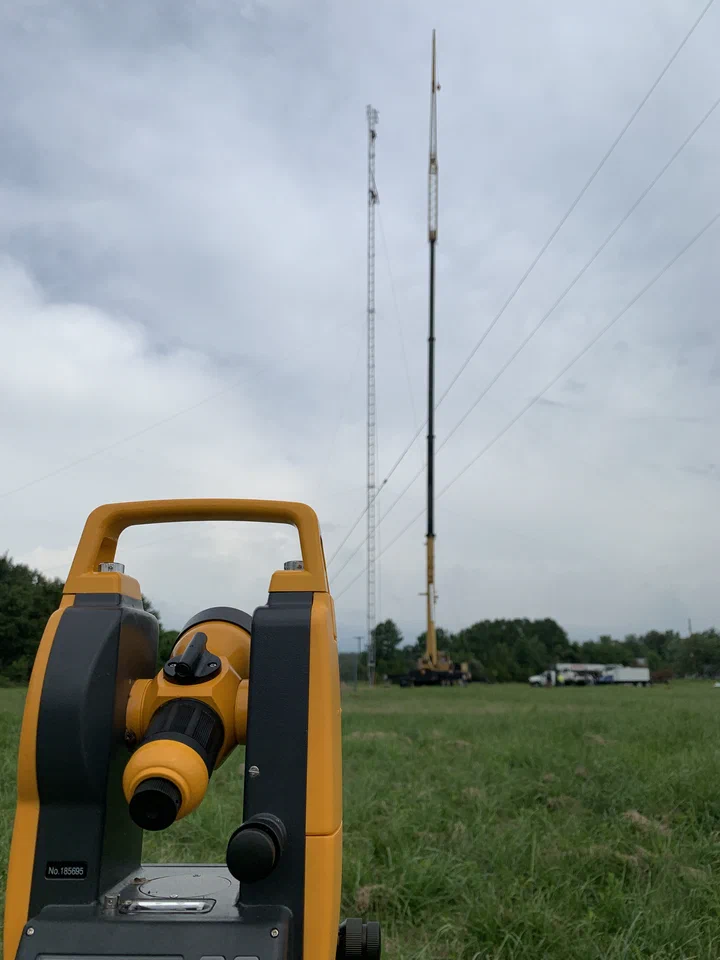
We do it with instruments, not eyeballs. Total station for plumb. Load cells for tension. A signed report with measured values per guy set. If something is out, we correct it and we document what we did.
What plumb actually means.
TIA-222-I (the current ANSI standard for antenna-supporting structures) specifies a plumb tolerance of L/1500, where L is the tower’s height. On a 300 ft tower, that’s a 2.4 inch tolerance from base to tip. On a 150 ft tower it’s 1.2 inches. On the 690 ft tower we worked in Dothan it was 5.5 inches.
Those numbers are small enough that you cannot verify them by looking at the tower. They require:
- Total station target sighted at the tower base and referenced against the tip and every guy elevation.
- Multiple sightings at different times of day (towers move with temperature, especially sun-side vs shade-side).
- Structured measurement at every guy level on a guyed tower, not just base and top.
We pull the measurements, log them per guy elevation, and compare against tolerance. If the tower is out, we know how far, at what height, and what we need to do to bring it back.
Guy tension is engineered. Not felt.
Every guy cable on a tower is specified to carry a pre-load value set by the engineer of record. That value is what the tower was designed against for wind, ice, and structural loading. Too loose, the tower moves too much and stresses the connection plates. Too tight, you’re pre-loading the structure into the lattice above its design intent.
The right value is on the stamped drawing. The measurement tool is a load cell, rigged inline with the cable during tensioning. The load cell reads in pounds of force, in real time, and we tension to the drawing value with the sun-and-shade-side temperature swing accounted for.
We’ve seen too many towers where the prior crew tensioned “by feel,” or by torque-wrenching the turnbuckle until it stopped moving. That’s not how any of this is supposed to work. If you can’t measure it, you can’t certify it.
Post-storm response.
After a named storm, a microburst, or a lightning event that visibly moved the structure, you need a plumb-and-tension check before the tower goes back into service. Specifically:
- Plumb verification to quantify any displacement.
- Guy tension measured on every cable (storm-displaced structures often show asymmetric tension across the guy sets).
- Anchor inspection to check for soil movement or foundation cracking at the guy blocks.
- Connection-plate check at accessible heights for bolt movement.
- Hardware inspection for strand, grip, and termination damage.
If the displacement is within the engineer’s re-certification envelope, we correct and document. If it’s beyond that envelope, we coordinate with your structural PE for a formal re-analysis before the structure carries any load.
Emergency response: crews rolling from Alabama or Texas typically mobilize within 24 to 48 hours of a storm call in the lower 48.
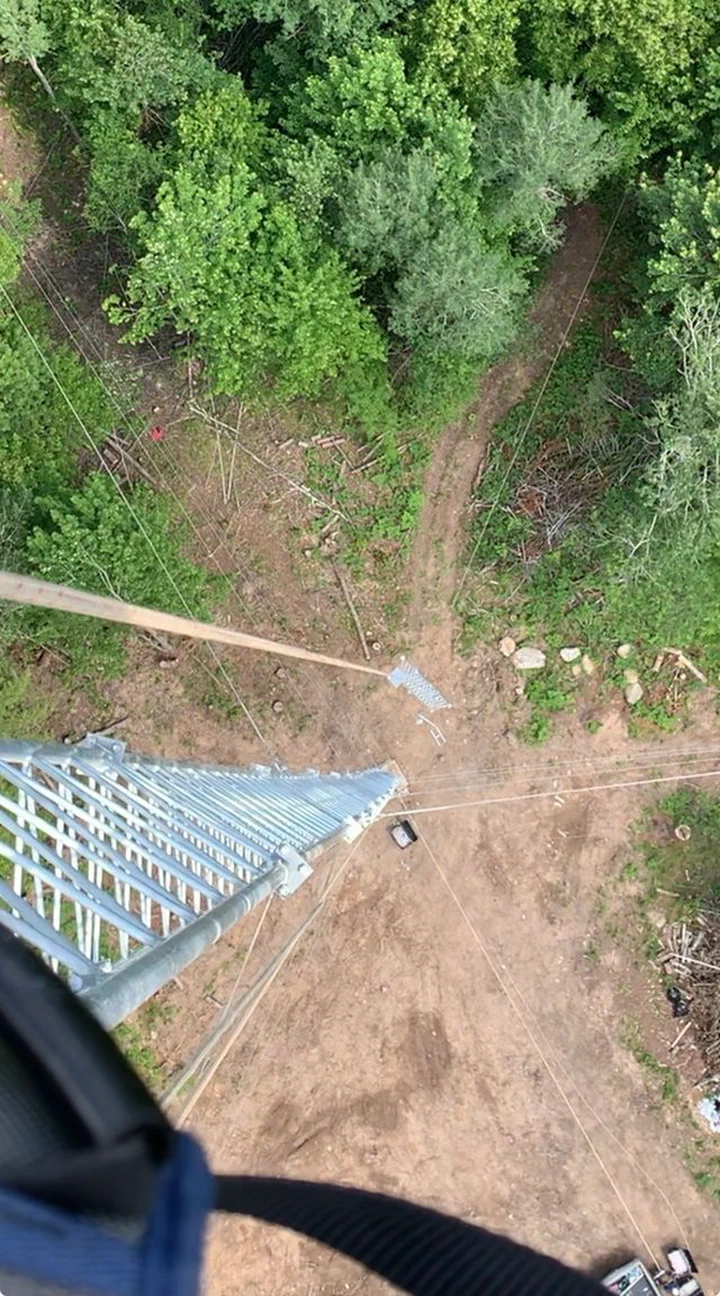
How it goes.
A scheduled plumb-and-tension visit runs 1 to 2 days on a typical guyed tower. Post-storm emergency work scales to the damage assessment.
Pre-visit review
We pull the stamped drawing, any prior plumb-and-tension reports, and the engineer-of-record contact. For scheduled work we confirm whether you want a standard TIA-222-I check or a broader structural condition assessment coordinated with your PE.
Site walk and anchor inspection
Walk the compound and guy-anchor radius. Visual condition of anchor blocks, soil around the foundation, drainage, and any ground-level signs of movement. Photo record for comparison against prior visits.
Plumb measurement
Total station set at the base. Measurements taken at every guy elevation and at the tip. Multiple sightings to account for temperature and sun-exposure effects. Measured values logged per elevation.
Guy tension measurement
Load cell rigged inline with each guy cable. Actual tension measured and compared to the stamped pre-load value. Measurements logged per guy set at multiple elevations.
Correction (if needed)
Plumb and tension brought back within tolerance per drawing. Turnbuckles adjusted. Load cells stay rigged during correction so we’re measuring to target, not guessing at it. Re-measured after the adjustment to confirm.
Final report
Signed plumb-and-tension report delivered: measured plumb values per elevation, measured tension per guy set before and after any correction, anchor and hardware inspection notes, photo record, and a re-inspection recommendation. Your engineer, inspector, or insurance auditor has the numbers they need.
Built to standard. Measured to code.
Every plumb-and-tension visit is held to the same engineering framework your tower was designed against.
TIA-222-I
ANSI structural standard for antenna-supporting structures. Specifies the L/1500 plumb tolerance, guy pre-load values, and re-inspection recommendations we work to on every visit.
Manufacturer specifications
Guy hardware (strand, grips, turnbuckles, thimbles) installed and inspected per the manufacturer’s published spec. Connection-plate bolts torqued per ASTM A325 or A490 value on the drawing.
ASTM A325 / A490
High-strength structural bolt specs. Sample torque verification on every visit using calibrated tools.
OSHA 1926 / ANSI A10.48
Federal and industry safety standards for communication-tower work. 100% tie-off, authorized rescue, site-specific safety plan on every climb.
Engineer of record
On any finding outside the re-certification envelope (significant plumb displacement, anchor foundation issue, visible strand damage), we coordinate directly with your structural PE before the tower carries load.
Gear & certifications.
Equipment
- Total stations for elevation-by-elevation plumb measurement
- Load cells in multiple capacity ranges for guy-wire tension measurement
- Calibrated impact tools and torque meters for bolt-up verification
- Climb team with 100% tie-off and authorized rescue on every crew
- Hydraulic tensioning gear for full re-tension operations
- Grip, strand, and termination replacement inventory for immediate repairs
- Self-contained crew trailers: measurement gear, rigging, and spares travel with us
Certifications & insurance
- NATE ClimberSafe and SafetyLMS-certified climbers
- ANSI A10.48 qualified tower crews
- OSHA 10 / 30 compliant
- Structural PE partner network for out-of-envelope coordination
- Fully insured: general liability and workers’ compensation
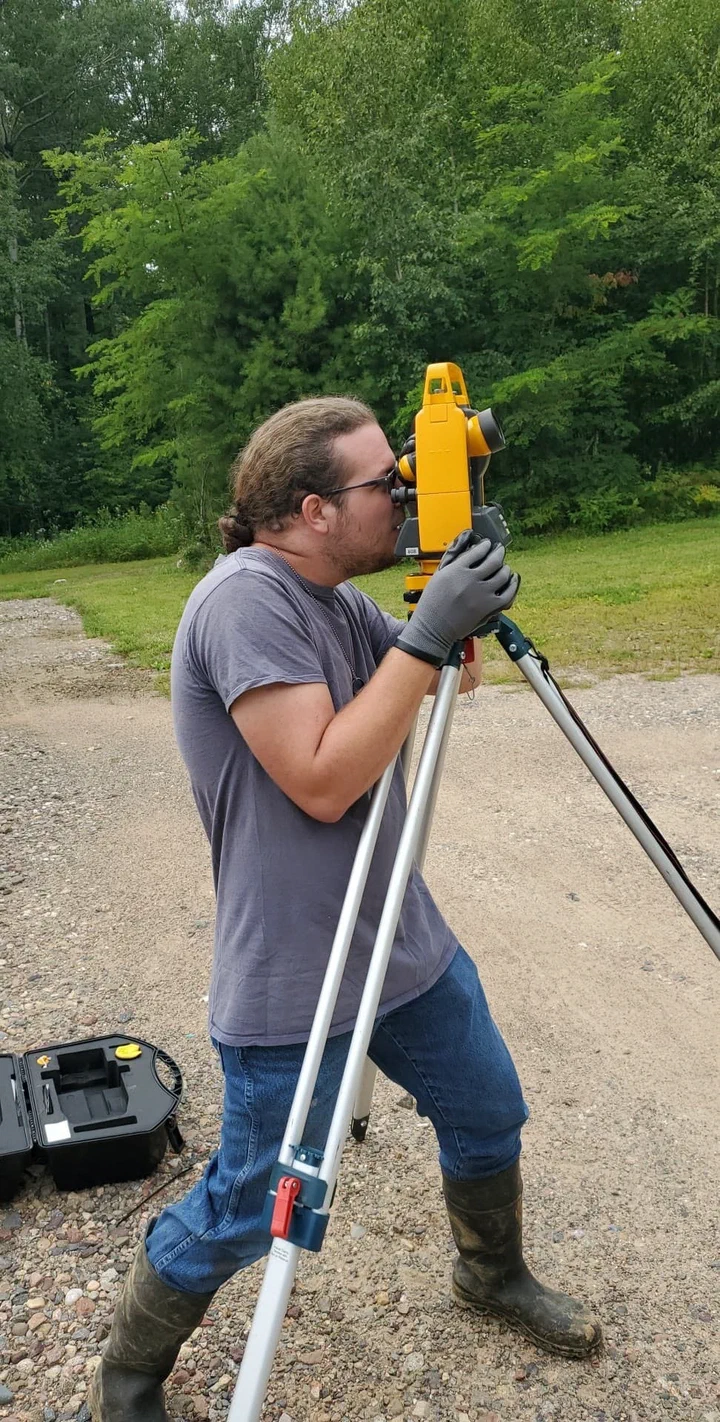
Questions we get a lot.
How often should I have my tower plumbed and tensioned?
Depends on the tower type, the site’s environmental exposure, and your insurance or program requirements. Rough guidance:
- New builds: initial plumb and tension locked at handover, then a first-year follow-up to confirm nothing has moved after temperature cycles and early settlement.
- Guyed towers: every 3 to 5 years under standard exposure, every 2 to 3 years in high-wind, icing, or high-salt environments.
- Self-supporting and monopole: every 5 to 7 years under standard exposure.
- After any significant event: named storm, earthquake, lightning strike that visibly moved the structure, or a known equipment-loading change.
State broadband programs, utility owners, and public-safety networks often have their own schedules baked into SLA or grant reporting. We work to whichever is stricter.
What is the TIA-222-I plumb tolerance?
The current ANSI standard specifies L/1500, where L is the tower’s height. Some real numbers:
- 100 ft tower: 0.8 inch tolerance from base to tip.
- 150 ft tower: 1.2 inches.
- 300 ft tower: 2.4 inches.
- 500 ft tower: 4 inches.
- 690 ft tower (our tallest): 5.5 inches.
Those are small enough that you cannot eyeball them from the ground. They require a total station, ideally measured at multiple times of day to account for temperature-driven movement.
How do you actually measure guy tension?
What happens if the tower is out of plumb?
We document how far, at what elevation, and we bring it back within tolerance with guy-tension corrections, anchor adjustments, or foundation review as appropriate. If the displacement is within your engineer’s normal re-certification envelope, we correct and document. If it’s outside that envelope, we stop work, coordinate with your structural PE, and don’t resume corrective work until the engineer authorizes it.
Nothing about this is “close enough.” Your tower was designed to a specific geometry, and that’s the geometry we put it back to.
Do you do post-storm emergency response?
What about self-supporting towers? Do they need tensioning?
Do I need to take my tower out of service for a plumb-and-tension check?
How much does this cost?
Fixed fee on defined scope, with unit rates and change orders for field conditions. Quoted against tower height, type, and access. Order of magnitude:
- Routine scheduled plumb-and-tension on a standard guyed tower (150–300 ft): mid four figures per visit.
- Self-supporting tower visit: mid four figures.
- Post-storm emergency response with corrective work: low to mid five figures depending on damage scope.
- Coordination with your structural PE for out-of-envelope review: quoted separately.
Send us the site and you’ll have a line-itemed quote inside a week.
Do you work on towers you didn't build?
Do I get a report?
Can you do multi-tower program visits?
What's your service area?
How do I get started?
Send us the tower site (address or coordinates), the tower type and height, and the reason for the visit (scheduled, storm response, insurance audit, or re-certification).
Request a quote here or call us at (763) 280-6050. Scheduled work typically quoted inside a week. Storm response quoted the same day.
Don’t see your question? Ask us directly. We answer every scoping call.
Related services.
Maintenance & Inspection
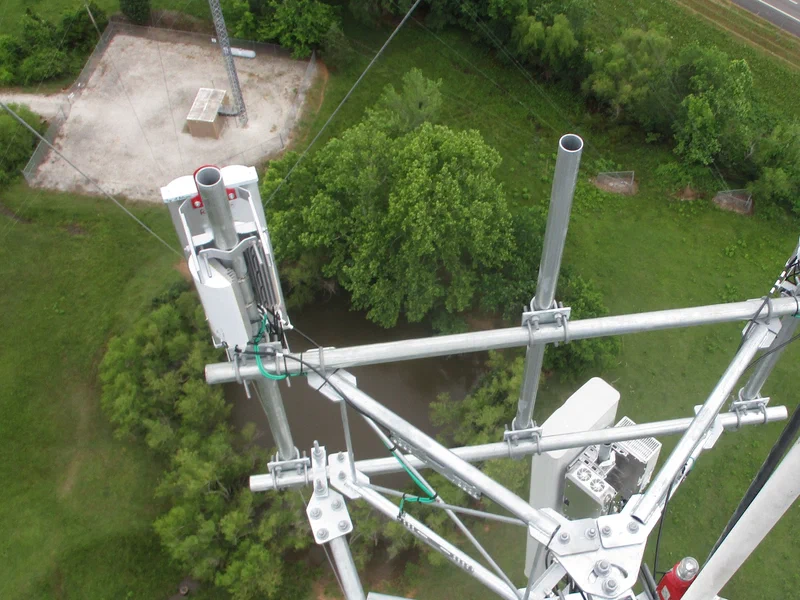
Inspections, repairs, and post-storm response for a 20-year asset.
Tower Modifications
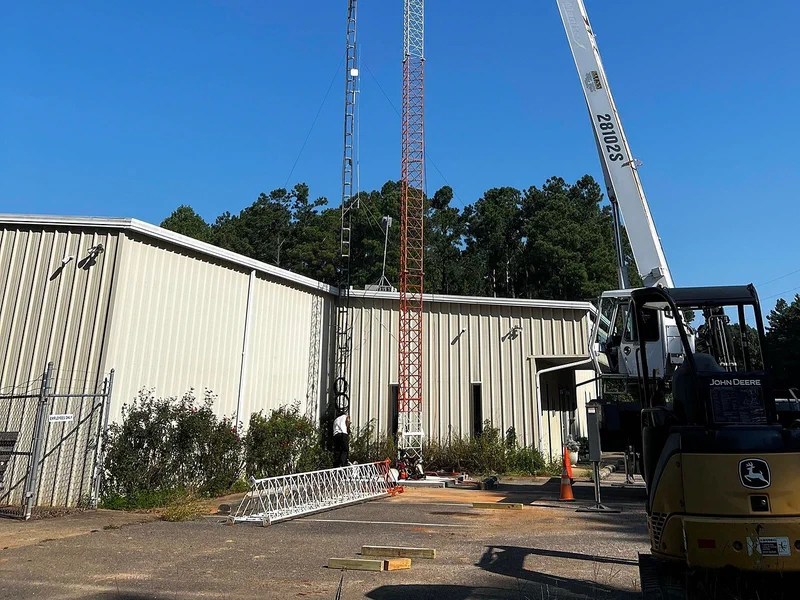
Antenna swaps, feed-line replacement, load-bearing upgrades.
Tower Erection
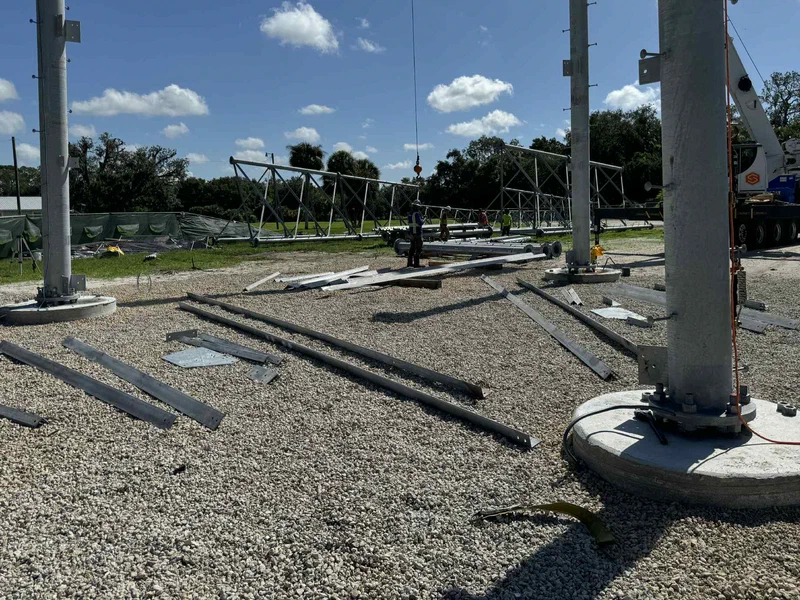
Guyed, self-supporting, and monopole structures up to 300ft.
Grounding & Cadwelding
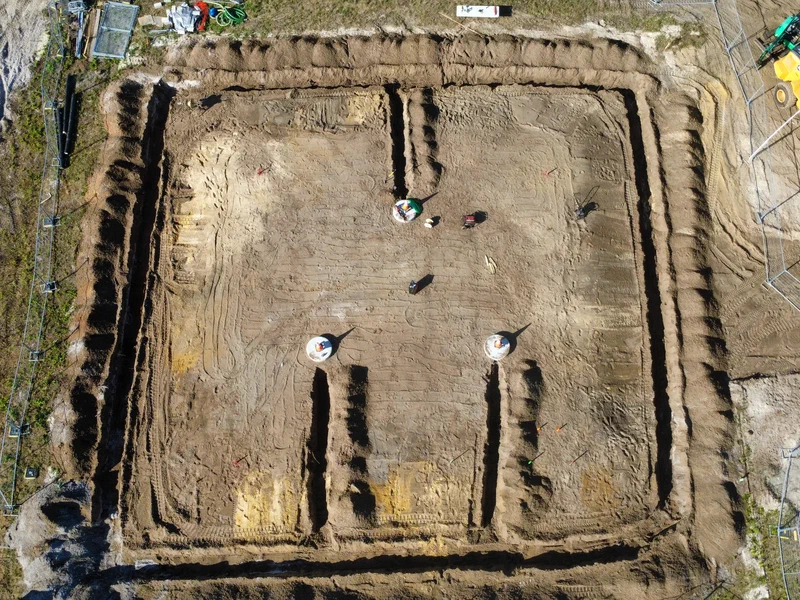
Ground rings, exothermic welds, bonding to NEC and manufacturer spec.
Foundations & Civil
Excavation, rebar, concrete, grading, fencing, and ground rings.
Page last updated August 21, 2026.
Tell us the site.
We'll bring the steel.
Send the location, tower type, scope, and timeline. We come back with a quote, a crew, and a schedule you can build a business around.