
Site Design & RF Planning: Coverage, Sector Layout, Equipment Design
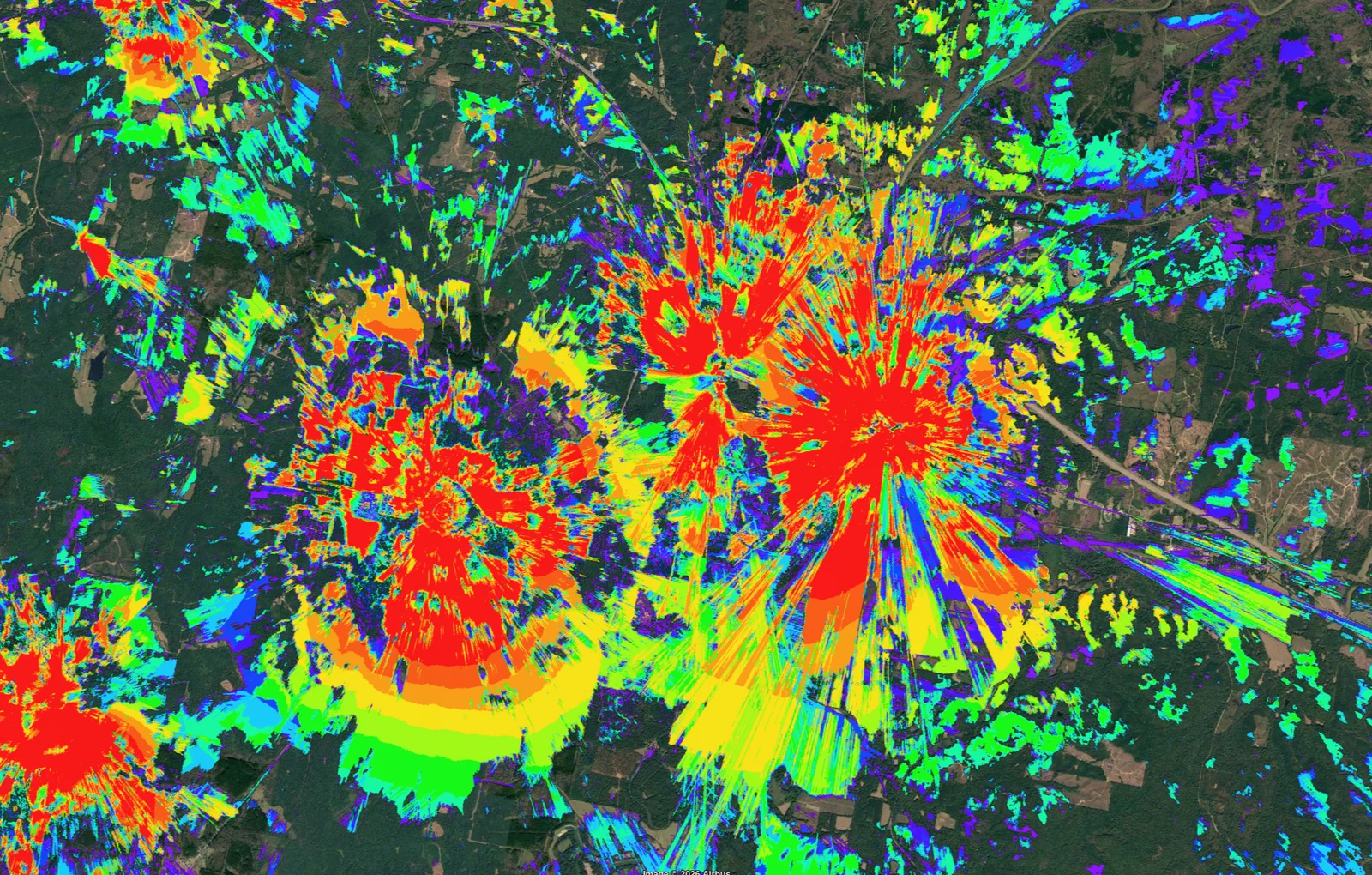
We don’t just build what you spec. We can design the whole site. RF coverage modeling, sector and horn antenna layouts, equipment floor plans, and ground-level mock-ups at the site before anything climbs the tower. Built around WISP-scale gear. For projects that require stamped RF engineering, we bring that in through our partner engineering network.
What's included.
What a Vertical Axis site design actually covers. We work from a coverage requirement or a rough sketch and come back with a design you can contract off of.
- Coverage requirement scoping and business-case review
- RF propagation modeling and line-of-sight study
- Site selection support and candidate comparison
- Tower type and height recommendation (self-supporting, guyed, monopole, direct-embedment)
- Sector antenna pattern design and azimuth planning
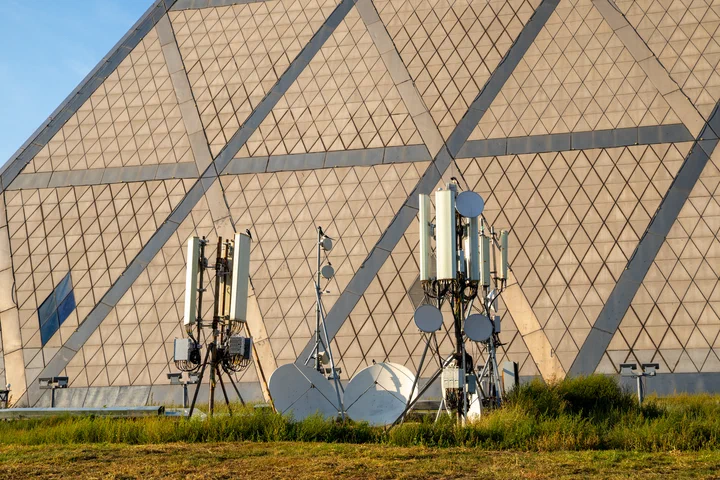
- Horn antenna layouts (40° and 45° patterns for RF Elements-style deployments)
- PTP backhaul link planning and ring topology design
- Equipment loading calculation and mount-plate layout
- Feed-line routing, grounding plan, and lightning suppression layout
- Compound layout, cabinet placement, and cable-tray routing
- Stamped-drawing coordination with your structural engineer of record
- Pre-deployment mock-up built on the ground at the site before anything goes vertical
- Bill of materials, spec-sheet package, and budgetary quote
- Handoff to our own construction crew to execute the build
Need site design & rf planning: coverage, sector layout, equipment design on a real deadline?
Send your site details. We come back with a quote, a crew, and a schedule.
Most WISPs are operators, not RF engineers.
A lot of the buyers we work with are running a broadband business, not an RF lab. They know they need coverage from tower A to subdivision B, and maybe three hops back to headquarters on a backhaul ring. They don’t necessarily have an in-house RF engineer who stamps sector azimuths off a propagation model.
That’s where we come in. We design the site. Then we build it. One contract, one accountable team, one phone call when something on the tower needs a decision. You’re not paying a separate RF consulting firm to tell you what your contractor already knows, and you’re not deploying a sector layout that looked fine on a napkin but creates interference with the neighbor site six months later.
What RF design means, practically.
Every site we design starts with a coverage requirement. “We need 150 Mbps to this 12-square-mile service area from this hilltop.” That gets fed through the same basic workflow on every job:
- Propagation modeling. Coverage modeled in Cambium CNHeat for the access layer (terrain-aware, equipment-accurate) and Ubiquiti Link Planner for PTP backhaul paths. Signal strength at each coverage point against ITU-R and custom clutter models. Shadow-fading buffers built in. Direct contacts inside Cambium keep the equipment-model side honest, so heatmaps reflect the gear we’ll actually install, not a generic radio stand-in.
- Sector azimuth and downtilt planning. Coverage-first, but we also model against neighboring sites to avoid self-interference on the operator’s own network.
- Antenna selection. Sector patterns (65°, 90°, 120°) or horn arrays (40° / 45° RF Elements style) chosen against the coverage pattern you actually need. Smaller buyers end up with over-bought antennas all the time — we right-size.
- Backhaul topology. Single-link, redundant dual-link, or a PTP ring depending on site count and your uptime budget.
- Capacity planning. Subscriber density × per-subscriber bitrate against the radio’s real-world MAC throughput, not the marketing sheet.
Deliverable is a spec’d and stamped design our own crews then execute on, end-to-end.
Pre-deployment mock-ups are a real thing.
Before a complex site goes vertical, we build it on the ground at the site. Full mount-hardware layout, bracket fabrication, sector arrays wired up, feedlines run, and cabinets loaded, on the pad, not at 200 feet on the tower.
Two reasons:
- Catches fabrication mistakes on the ground, where they’re cheap to fix. A bracket that’s off by 3 inches is 10 minutes with a torch on the ground and a $3,000 day-on-the-tower if the first time you discover it is up in the air.
- Rehearses the install for the crew. Everybody knows where the cables run. Everybody knows which radio mounts where. The on-tower install is reduced to lift-and-bolt, not figure-it-out-up-there.
This is how sites are supposed to be deployed. Most contractors skip it. We don’t.
Gear we've designed around, in numbers.
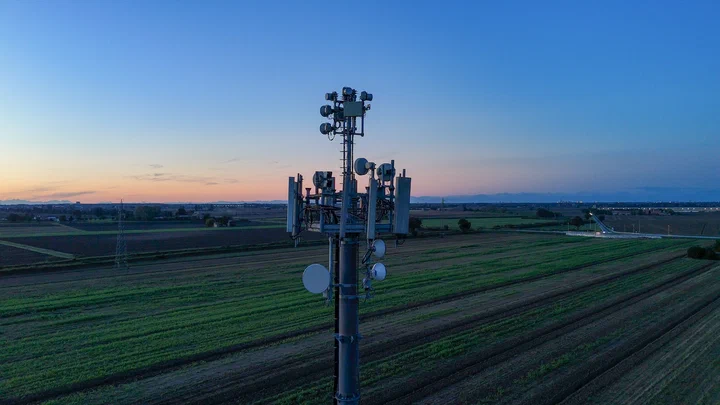
Our design work is grounded in the gear our crews actually install every week. The short list of RF platforms we’re fluent in:
- Ubiquiti — airFiber, airFiber 5XHD, AirMAX, UISP, Wave, LTU. Small-dish PTP and sectorized access.
- Tarana — the full G1 platform (G1 BN, G1 RN, G1 RN Mini) and the newer G2 platform. nLOS fixed wireless, common on BEAD and state-grant buildouts.
- Cambium — ePMP, PMP, PTP, cnWave, cnMatrix. Full stack for WISP and utility work.
- Mimosa (Airspan) — A5/A6 access, B5/B11 backhaul, C-series CPE.
- Nokia — Fastmile, private LTE/5G, carrier-grade microwave.
- RF Elements — horn antennas, 40° and 45° sector patterns, TwistPort shielding for interference-dense sites.
If your gear isn’t on that list, we’ll learn it. Most RF platforms share the same design fundamentals. The brand just changes the parts numbers.

How it goes.
A site design runs 1 to 3 weeks from requirement brief to bid-ready package, depending on scope and whether terrain studies require new drive tests.
Requirement brief
We talk. Coverage target, equipment budget, timeline, and whether this is a single site or part of a multi-site program. If you have a coverage sketch or a list of candidate sites, that’s our starting point.
Candidate evaluation and site walk
Desktop review first, site walk if it’s worth the mobilization. We evaluate line-of-sight to target coverage, access for the build crew, utility availability, and any obvious zoning or environmental issues. Multiple candidate sites get compared against each other with a ranked recommendation.
RF propagation modeling
Cambium CNHeat terrain, clutter, and equipment-accurate coverage model for the selected site, paired with Ubiquiti Link Planner on PTP paths. Coverage heatmaps generated against your actual service area and target signal levels. Sectors and azimuths tuned against the model, then reviewed against neighboring-site interference.
Structural and equipment layout
Antenna and radio loading calculated against the tower type. Mount hardware speci’d. Feed-line routing, grounding plan, and equipment cabinet layout drawn. Structural engineer-of-record coordinated for the stamped drawing.
Pre-deployment mock-up
For complex sites or first-of-kind deployments, the mount and RF assembly gets built on the ground at the site before anything goes up the tower. Fabrication errors caught where they’re cheap to fix. Crew rehearses the install sequence. Client inspection optional but encouraged.
Deployment
Design package delivered as stamped drawings, bill of materials, spec-sheet set, and budgetary quote. Our own crews take it from there and execute the build. One contract, one accountable team, one phone call when something needs a decision on the tower.
Built to standard. Designed to spec.
The codes and manufacturer specifications every site we design is held to. Design that can’t be built to these standards isn’t a design, it’s a sketch.
TIA-222-I
Current ANSI structural standard for antenna-supporting structures. Drives our equipment-loading, wind-load, and mount-hardware calculations for every design.
Motorola R56
Industry-standard grounding and bonding spec for communication sites. Every design’s grounding plan is R56-compliant by default; utility sites step up to IEEE 80 when your engineer calls for it.
NFPA 780
National Fire Protection Association standard for lightning protection. Guides our surge-suppression, bonding, and air-terminal layouts.
NEC Article 810
National Electrical Code provisions for radio equipment. Governs our cabling, feedline, and lead-in conductor design.
FCC Part 15 / Part 101
FCC rules for unlicensed operation (Part 15) and for fixed microwave service (Part 101). Our design work respects ERP limits, coordinate-and-protect requirements, and licensing obligations where applicable.
FAA 7460-1
Required FAA notification for structures over 200 ft AGL (or near public-use airports). When our design pushes height, we scope the filing into the package so nothing gets stopped at permit.
Manufacturer spec sheets
Every antenna, radio, feed-line, and mount bracket designed-in per its manufacturer’s published spec. No guessing on azimuth tolerance, torque, or bending radius.
Gear & certifications.
Equipment
- Cambium CNHeat and Ubiquiti Link Planner for coverage modeling, path loss, and link design
- On-site interference surveys run through the radio or RAN platform’s built-in spectrum scan (Ubiquiti, Cambium, Tarana native tooling)
- Drive-test gear for coverage verification
- CAD tooling for structural and equipment layout drawings
- Mobile fabrication tooling for on-site mount and bracket work
- Fabrication equipment for custom mount-bracket work
Certifications & insurance
- FCC General Radiotelephone Operator License (GROL) on lead RF hands
- Platform-fluent installers on Ubiquiti, Cambium, Tarana, and Mimosa platforms
- OSHA 10 / 30 compliant design-walk crews
- Fully insured: general liability and professional liability coverage
Questions we get a lot.
Does a design engagement roll straight into the build?
What RF modeling tool do you use?
Do you work across multiple RF platforms or only one?
What does a 'pre-deployment mock-up' actually look like?
Before a complex or first-of-kind site goes vertical, we build the full mount and RF assembly on the ground at the site. Brackets cut and welded, radios mounted, feedlines run, cabinets loaded. Everything that goes up at 200 ft is already rigged and tested at 6 ft, where a fabrication mistake is cheap.
It’s one of the things we’ve been doing since day one (see our 2018 desert-driveway mock-up that set our approach). Extra day or two at the front of the job saves a five-figure crane day if the first time you discover a bracket is wrong is at the top of the tower.
How long does a site design take?
Usually 1 to 3 weeks from signed design agreement to delivered package. Variables:
- Single site vs. multi-site program. A single greenfield site is 1-2 weeks. A 20-site coverage build-out is 4-6 weeks with the right team.
- Desktop-only vs. field verification. If we can design off publicly available terrain and your existing data, it’s fast. If we need to do a drive test to validate propagation, add a week.
- Stamped-engineering requirement. If the structural engineer of record needs their own review cycle, that’s out of our hands.
Do you do coverage planning for BEAD or state-grant projects?
Can you do design for utility SCADA or oil-and-gas comms?
How do you price design work?
We structure each project as a fixed fee on a defined scope, with unit rates and change orders to manage field conditions and protect both schedule and cost. For multi-site programs, we blend a program rate across the portfolio with shared fixed-cost pieces amortized over the whole deal.
Design fees are typically low-to-mid four figures per site for WISP-scale work, higher for utility and carrier-scale designs. Send us the requirement and you’ll have a quote inside a week.
Can you be our RF engineer of record?
What's your service area?
How do I get started?
Send us the requirement. A coverage target (service area map or a list of target addresses), a rough site candidate list or an area you’re looking at, equipment preferences if you have them, and your schedule.
Request a quote here or call us at (763) 280-6050. Most customers have a design quote inside a week.
Don’t see your question? Ask us directly. We answer every scoping call.
Related services.
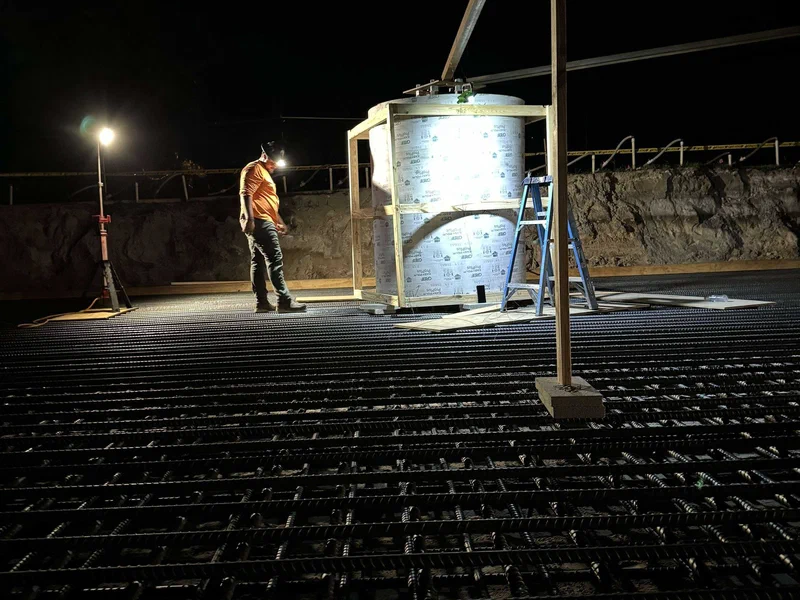
New Site Builds
Empty dirt to operational tower, one crew, one point of contact.
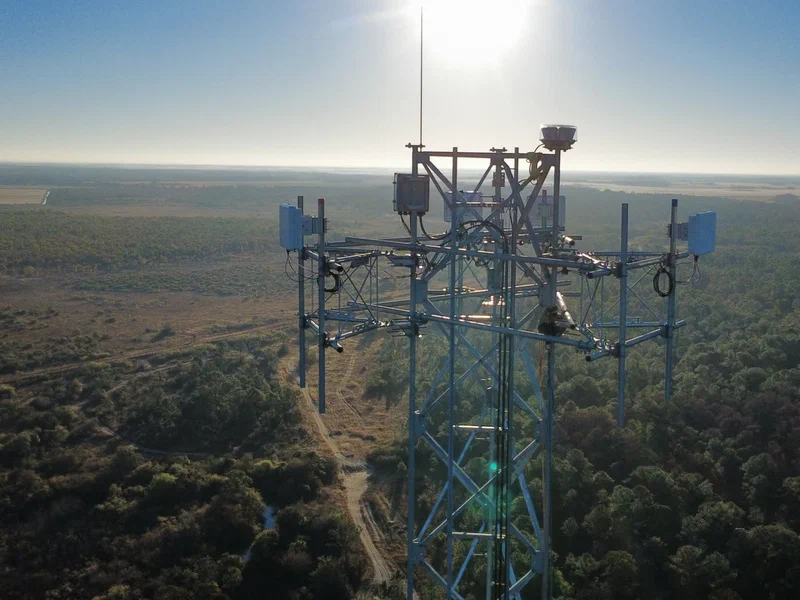
Sector & Backhaul
Sector antennas, backhaul dishes, horn arrays, aligned and sealed.
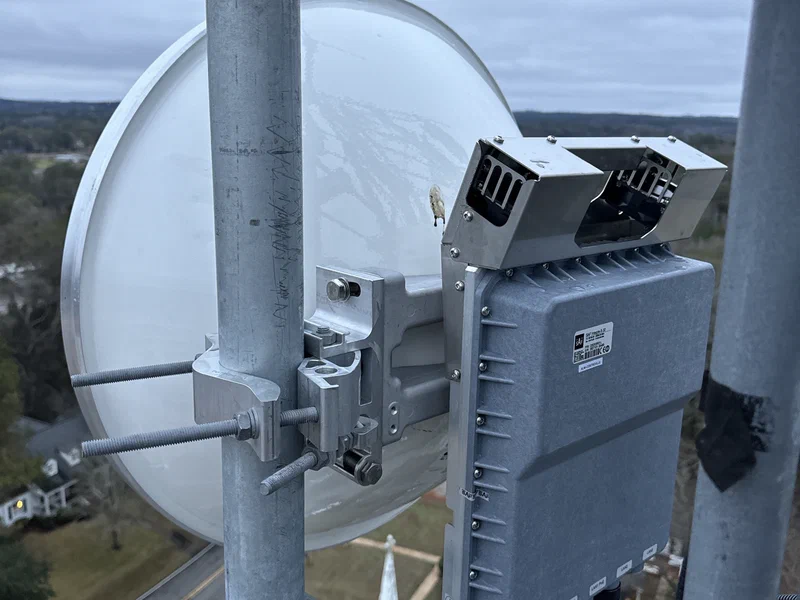
Microwave Backhaul
Point-to-point links, redundant rings, licensed and unlicensed.
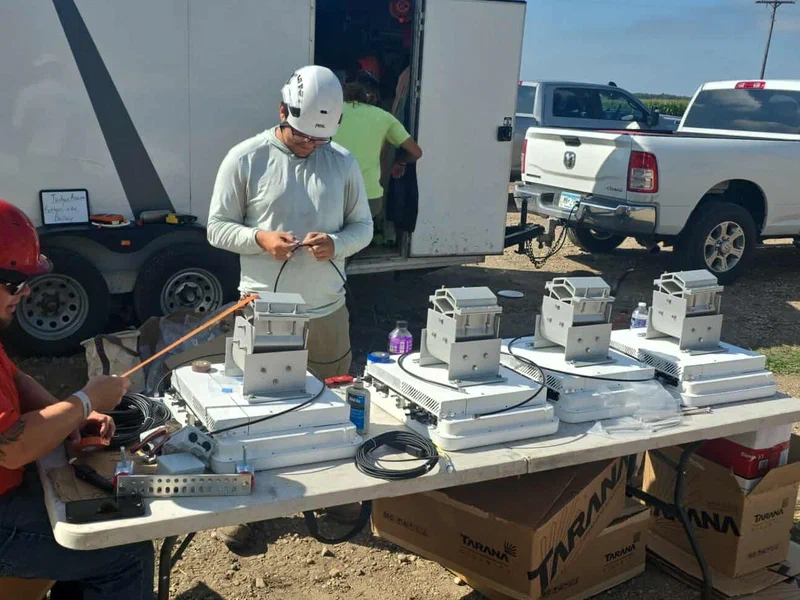
Antenna & Radio Install
Antennas, radios, fiber, DC, and Cat6. Ubiquiti, Cambium, Mimosa, Tarana, Nokia, and more.
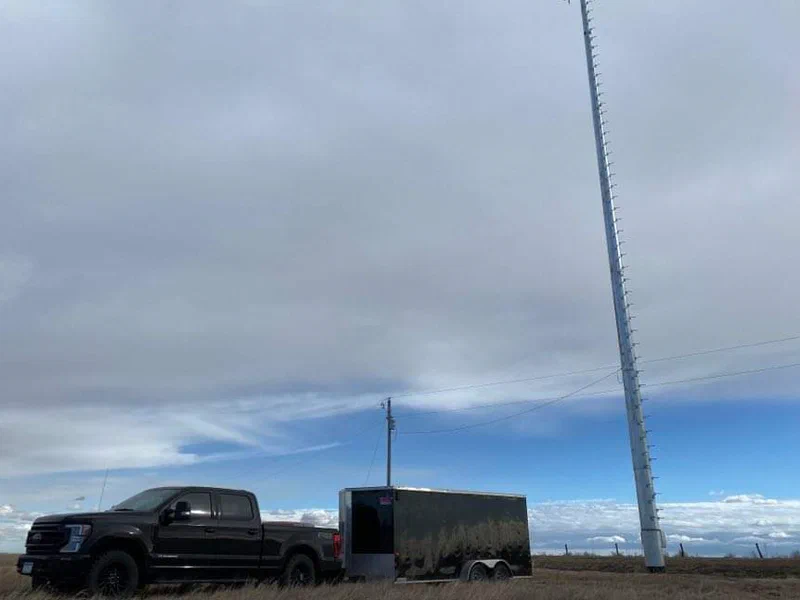
Direct Embedment Monopoles
Foundation-free monopoles set into augered holes. Fast to deploy.
Page last updated July 30, 2026.
Tell us the site.
We'll bring the steel.
Send the location, tower type, scope, and timeline. We come back with a quote, a crew, and a schedule you can build a business around.