
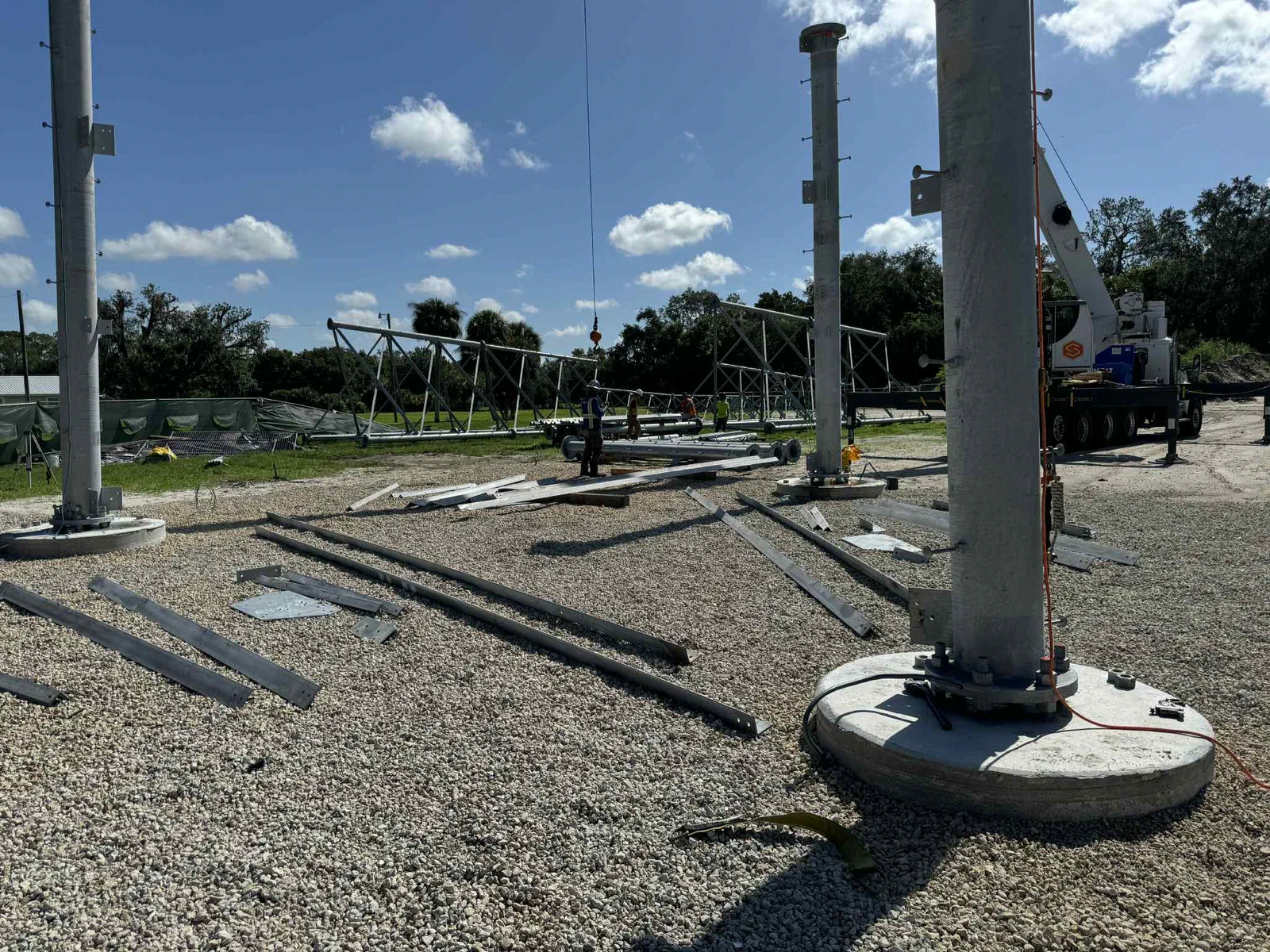
Tower Erection: Guyed, Self-Supporting, and Monopole Construction
Each bolt tightened, each section flown into place. Guyed lattice, self-supporting three-leg, and monopole towers erected to TIA-222-I, bolted to A325/A490 spec, plumbed to L/1500, and tensioned to engineered pre-load. New construction to 300 ft, modification work proven to 690 ft.
What's included.
Everything that happens between the foundation cure and the punch-list walk. Rigging, steel, bolt-up, plumb, tension, and commissioning, run by the Vertical Axis team end-to-end, with construction management folded in.
- Pre-construction rigging and lift-plan review with your engineer
- Crane mobilization: 60 to 300 ton cranes sized to tower class and lift weight
- Gin-pole rigging on light lattice (Rohn 25 through 55) where crane reach isn’t viable
- Base section set on anchor bolts after foundation reaches engineer-approved cure strength
- Lower-to-upper section flies per the engineer’s erection sequence
- Bolt-up to ASTM A325 or A490 spec with torque-calibrated tooling
- Connection-plate torque verification documented per lift per bolt
- Galvanizing inspection and touch-up on shipping or field abrasions
- Tower plumbed to TIA-222-I L/1500 tolerance (roughly 1 inch per 125 ft)
- Guy-wire installation, strand-to-hardware terminations, and anchor bolt-up
- Guy tensioning with tension-meter tooling to engineered pre-load, never by feel
- ARE Telecom ballasted-monopole installation when ballast-weighted base is specified
- Safety climb cable, climbing peg, and ladder install per manufacturer requirements and ANSI A10.48
- Jump-line, lightning rod, and obstruction-light mast install
- Punch-list walk with your engineer and closeout package delivered
Need tower erection: guyed, self-supporting, and monopole construction on a real deadline?
Send your site details. We come back with a quote, a crew, and a schedule.
Rigging, steel, and the documentation that proves both.
A crane pick might look like the job from the ground. In reality, every lift is built on hours of planning, and it doesn’t end when the section is set.
We approach each structure as a complete system. Rigging must be precise. Steel must be installed, aligned, and torqued exactly to spec. Miss either side, and the structure won’t perform when it matters.
Our crews plan every lift with intent: ground-to-hook communication, sling verification, load control, and lift readiness. And once steel is set, we stay just as disciplined: bolt torque verification, plumb checks, hardware inspection, and documented sign-off.
That’s how towers are built to last.
Guyed vs self-supporting vs monopole.
The right tower for a site is driven by height target, equipment loading, land footprint, wind region, and sometimes aesthetics. Three main types, all in our wheelhouse:
- Guyed lattice — cable-stayed triangular lattice. Most cost-effective for taller heights (commonly 200 to 500 ft). Small central pier, but a wide guy-anchor radius (typically 60 to 80 percent of tower height), so land requirement is significant.
- Self-supporting — three-leg lattice with no guys. Compact footprint, harder on steel tonnage. Standard for 100 to 300 ft WISP, utility SCADA, and small-cell sites where land is tight.
- Monopole — single-tube structure. Smallest visual profile, preferred for urban or sensitive sites. Typical heights 60 to 200 ft, foundations heavier per pound of tower than lattice.
- ARE Telecom ballasted monopoles — ballast-weighted base, no excavation foundation. Fast-deploy for sites where civil work is impractical or permit-blocked.
- Direct-embedment monopoles — pole set directly into an augered hole. Purpose-built for utility SCADA, oil and gas remote comms, and program deployments where speed-to-air matters. See our direct embedment service.
Bolt-up is where every tower lives or dies.
Every connection plate on a tower carries structural load designed against a specific bolt grade, bolt count, and installed torque value. We install to ASTM A325 or A490 spec as called out by your stamped drawings, torque-calibrated impact tools on every rig, and torque-verified on every connection before the section is released.
Missed or loose bolts are the single most common finding on post-storm tower inspections. It’s invisible from the ground. It’s not invisible in the closeout package if the job was done right.
Plumb, tension, and the instruments that prove it.
A tower isn’t done flying steel until it’s plumbed to L/1500 (TIA-222-I tolerance, roughly 1 inch per 125 ft), verified with a total station transit. On a guyed tower, plumb comes after every guy set is tensioned to engineered pre-load with tension-meter tooling on each cable, measured to the stamped drawing. Re-tensioning after the first temperature cycle is scheduled into the job, not an afterthought.
Our deliverable on every erection is a signed plumb-and-tension report with actual measured values per guy set. If an inspector or your engineer wants to verify, the numbers are there.
How it goes.
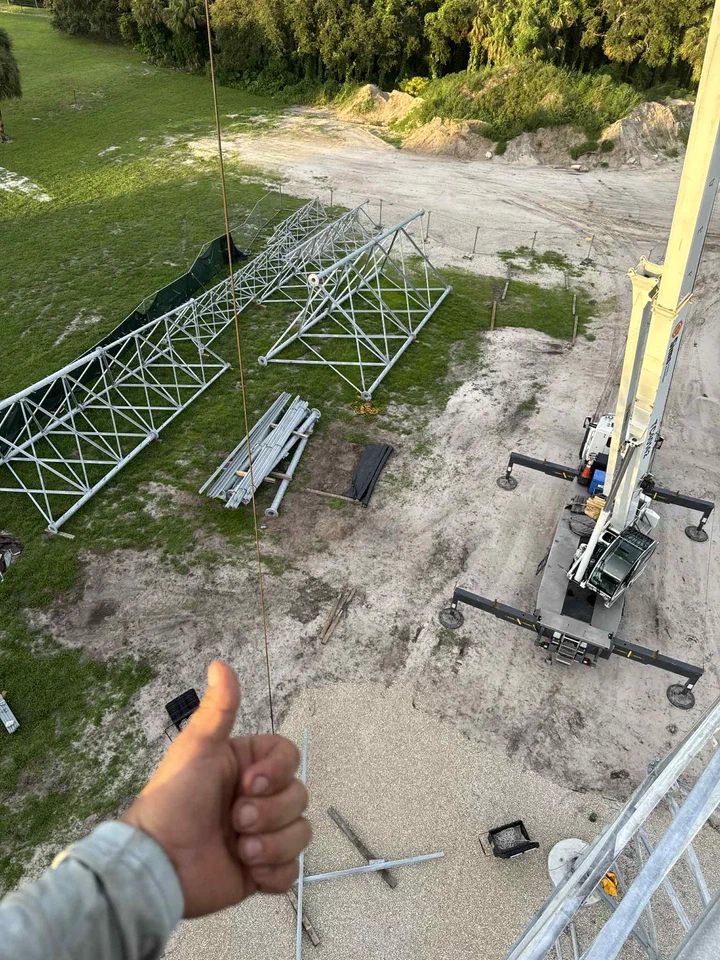
On-site erection for a typical 200 to 300 ft tower runs 3 to 10 days once the foundation is cured and the crane is on pad. Here’s how a typical build flows.
Pre-lift planning and mobilization
Crane capacity matched to the heaviest lift and farthest radius. Rigging walked and inspected. Lift plan signed by the crane operator and foreman before a single shackle gets pinned. Site staged with a drop zone, a staging area for sections, and a climb-rescue plan specific to the site.
Tower assembly and QC
Offload, catalog, and inspect every section on arrival: quantity count against packing list, steel inspected for shipping damage (no bent members goes up), hardware kits verified against the stamped drawing. Sections pre-assembled on the pad where the drawing calls for it. Nothing flies until the inspection is clean.
Base section set
Foundation cure approved by the engineer of record based on break-test results (generally 28 days at full strength). Anchor bolts checked for elevation and pattern. Base section leveled on base nuts with a total-station transit, not shimmed, and torqued in sequence per drawing. First plumb check happens here.
Section flies
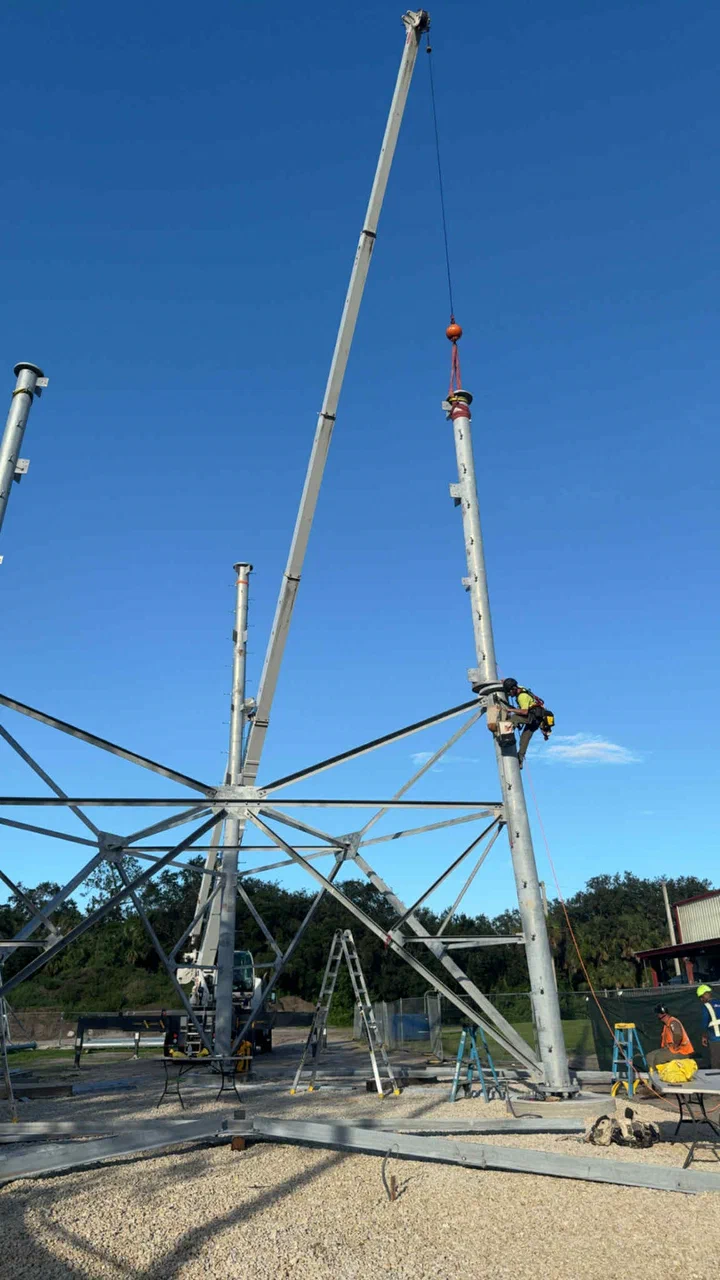
Sections flown by crane or gin pole, lower-to-upper sequence per the engineer’s erection plan. Ground crew spots, radio check to hook on every lift, hand-on-the-tagline on every section. For guyed towers, temporary guys get rigged as the structure goes up to maintain stability section-to-section.
Bolt-up and torque
Every connection plate bolted to ASTM A325 or A490 spec. Torque-calibrated impact tools. Verification pass per bolt before the section is released. Touch-up galvanizing on any field abrasions. Connection documented in the closeout package.
Guy install and tension (guyed towers)
Guy wires installed per engineered layout, strand-to-hardware terminations made to manufacturer spec. Tension-meter tooling on each cable, tensioned to pre-load values from the stamped drawing. Re-tensioned after the first diurnal temperature cycle.
Plumb verification and safety climb
Tower plumbed to L/1500 with a total-station transit. Safety climb cable, climbing peg or ladder, and fall-arrest system installed per manufacturer requirements and ANSI A10.48. Lightning rod and obstruction-light mast installed if called for by FAA.
Punch-list and handover
Walk the tower with your engineer or inspector. Plumb-and-tension report, torque log, galvanizing inspection notes, and photo documentation delivered as the closeout package. Anything flagged in the walk gets closed before demob. Third-party structural audits sometimes run separately after demob; we coordinate with whatever reviewer your program uses.
Built to standard. Inspected to code.
The structural, safety, and compliance frameworks every tower we erect is held to, from WISP monopoles to heavy self-supporting builds for utility SCADA.
TIA-222-I
Current ANSI structural standard for antenna-supporting structures. Governs structural design, wind and ice loading, guy pre-load, plumb tolerance, bolt grade, and connection detailing on every tower we erect.
ASTM A325 / A490
ASTM bolt specs for high-strength structural connections. We install and torque to spec using calibrated impact tooling, with per-connection verification logs.
OSHA 1926 Subpart CC
Federal crane and derrick safety standard. Governs crane operator qualification, lift-plan documentation, ground-bearing assessment, and signaling. Nothing flies without meeting Subpart CC.
OSHA 1926 Subpart R
Federal steel-erection safety standard. Governs connection-plate hole-to-hole clearance, bolt-up sequence, ladder and fall-protection requirements during erection.
ANSI/ASSP A10.48
Consensus safety standard specifically for communication-tower work. Governs climber qualification, fall protection, authorized climber rescue, and site safety organization on every erection crew.
NATE ClimberSafe / SafetyLMS
Industry-standard tower climbing training and authorized rescue. Every climber on our erection crews is certified and current; rescue-ready on every site.
FAA 7460-1 / FCC ASR
Required FAA notification for structures over 200 ft AGL (or near public-use airports). We coordinate filings, track determination through to issuance, and install obstruction lighting and ASR-compliant markings as part of scope.
AWS D1.1
American Welding Society structural welding code. Applies to any field welding on structural members. We don’t field-weld primary structural unless the engineer calls for it and qualifies the procedure.
Gear & certifications.
Equipment
- 60 to 300 ton mobile cranes sourced through pre-qualified regional rental partners
- Gin-pole rigging for light lattice (Rohn 25 through 55) on crane-impractical sites
- In-house climb team: 100% tie-off, authorized rescue, ANSI A10.48-trained
- Torque-calibrated impact tools, verified against a torque meter daily
- Tension-meter tooling for guy-wire pre-load setting
- Total-station transit for L/1500 plumb verification
- Strand cutters, hydraulic swaging tools, and grip terminations for guy work
- Rigging kits: tag lines, shackles, slings, spreader bars; inspected pre-lift
- Self-contained crew trailers: rigging, safety gear, bolts, torque meters travel with us
Certifications & insurance
- OSHA 10 / 30 compliant crews
- NATE ClimberSafe and/or SafetyLMS-certified climbers
- Authorized climber rescue on every crew
- OSHA 1926 Subpart CC-qualified signal persons
- Fully insured: general liability and workers’ compensation, umbrella coverage available
Questions we get a lot.
What tower types do you build?
Guyed lattice — cable-stayed triangular lattice towers, most cost-effective for taller heights (commonly 200 to 500 ft in our WISP, utility, and broadcast work). Smaller central pier, significant guy-anchor footprint.
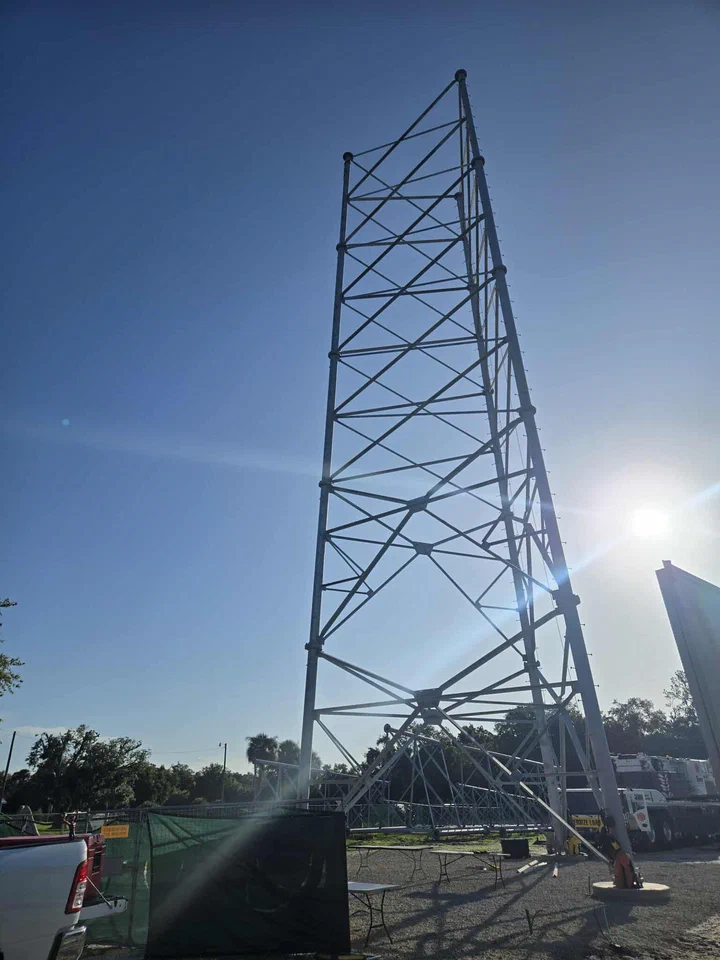
Self-supporting lattice — three-leg lattice without guys. Smaller land requirement, heavier steel per foot. Standard for 100 to 300 ft.
Monopole — single-pole structures. Smallest visual footprint, preferred for urban and sensitive siting. Typical heights 60 to 200 ft.
ARE Telecom ballasted monopoles — ballast-weighted base, no excavation foundation, fast deploy.
Direct-embedment monopoles — pole set directly into an augered hole, common on utility SCADA and oil and gas remote comms. See our direct embedment service.
How tall can you build?
How long does tower erection take?
On-site work for a typical 200 to 300 ft self-supporting or guyed tower runs 3 to 10 days once the foundation is cured and the crane is on pad. The job starts with offload and assembly, not with the first fly:
- Offload, catalog, and QC. Steel arrives, we count and inspect every section, check hardware kits, and reject anything shipped damaged.
- Pad assembly where the drawing calls for it. Sections pre-assembled on the ground before they go up.
- Then steel starts flying. Base section first, upper sections lower-to-upper per the engineer’s erection plan.
Other variables:
- Tower type and height. A 150 ft monopole can be stood in a day. A 400 ft heavy-loaded guyed tower is a multi-week scope with multiple crane moves.
- Weather. Steel stops moving when wind picks up. Sites get weather holds that aren’t on any schedule.
- Access. A site 30 minutes off pavement with a 60-ton crane is a different logistics problem than a suburban pad with full paving.
- Lift plan complexity. Tight crane radius, obstructed approach, gin-pole requirements, or unusual lift weights add time.
Quote is a fixed fee on a defined scope, with unit rates and change orders for field conditions (weather, crane availability, discovered conditions) so cost and schedule stay protected. We call timeline risks out line-by-line so your schedule math is honest.
What concrete cure is required before you set steel?
What bolt spec do you install to?
Every connection on every tower is installed to the bolt grade called out by the stamped drawing. In practice that’s almost always ASTM A325 or A490 high-strength structural bolts, depending on connection-plate detail.
We install with torque-calibrated impact tools (verified against a torque meter daily) and log torque verification on every connection in the rigging log. Undertorqued bolts are the single most common finding on post-storm inspections. We don’t leave them.
How do you check plumb on a finished tower?
How do you set guy tension?
Can you erect in winter conditions?
How much does tower erection cost?
Fixed fee on defined scope, with unit rates and change orders for field conditions. Quoted off your stamped drawings and equipment loading. Usable order-of-magnitude:
- Small monopole (60 to 120 ft): low five figures for a straightforward monopole erection on an accessible site.
- Self-supporting or guyed (180 to 300 ft): typically six figures, with steel tonnage, guy complexity, and crane logistics driving most of the spread.
- Tall guyed or heavy-load broadcast (above 300 ft): high six figures and up. Quoted individually.
Send us the drawings and you’ll have a line-itemed quote inside a week.
Do you handle the foundation too, or just the steel?
What's your service area?
How do I get started?
Send us the stamped tower drawing, the site (address or coordinates), equipment loading, and target schedule.
Request a quote here or call us at (763) 280-6050. Most customers have a line-itemed quote within a week.
Don’t see your question? Ask us directly. We answer every scoping call.
Related services.
New Site Builds
Empty dirt to operational tower, one crew, one point of contact.
Foundations & Civil
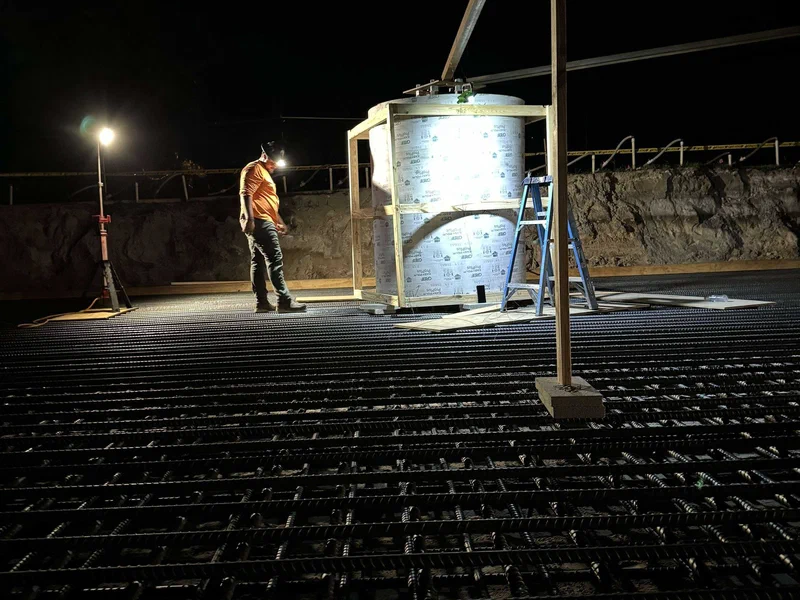
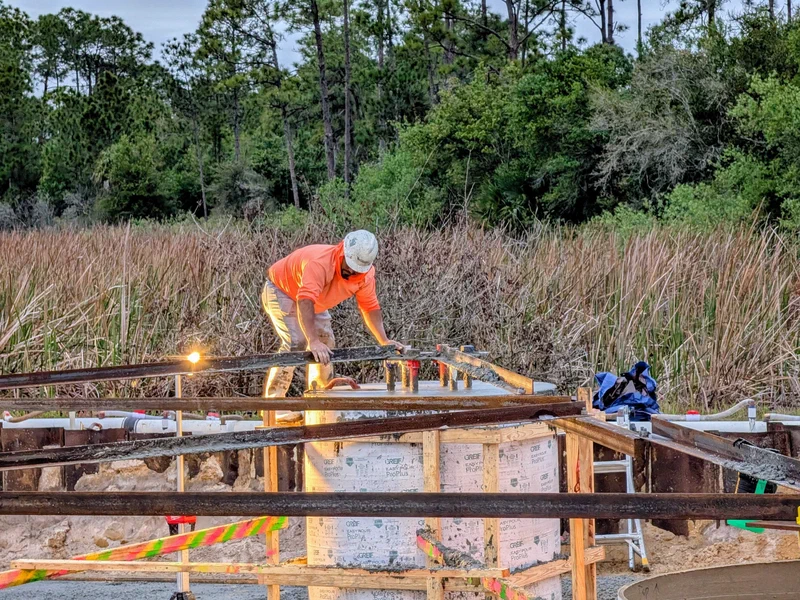
Excavation, rebar, concrete, grading, fencing, and ground rings.
Direct Embedment Monopoles
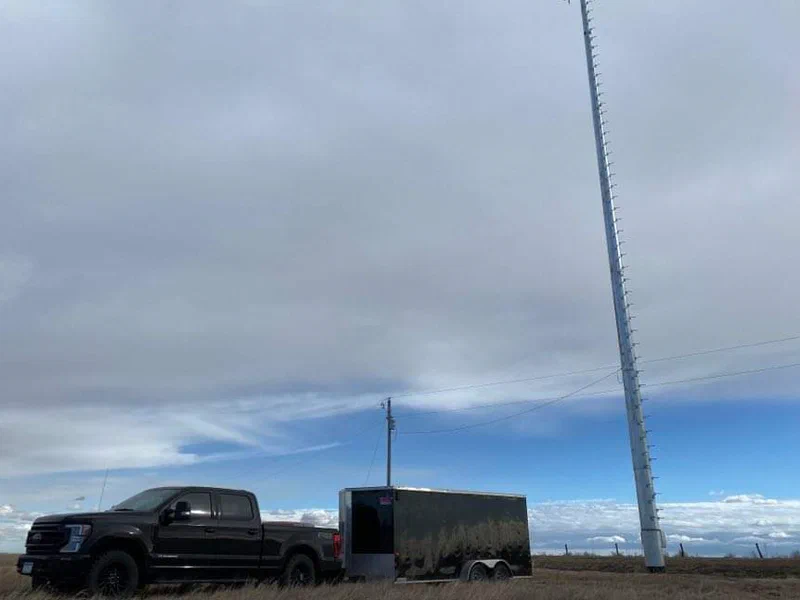
Foundation-free monopoles set into augered holes. Fast to deploy.
Antenna & Radio Install
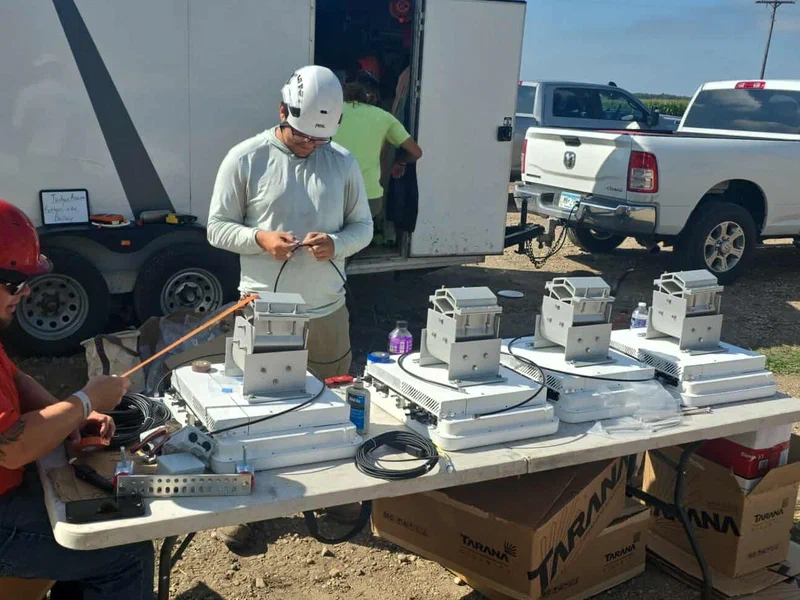
Antennas, radios, fiber, DC, and Cat6. Ubiquiti, Cambium, Mimosa, Tarana, Nokia, and more.
Plumb & Tension
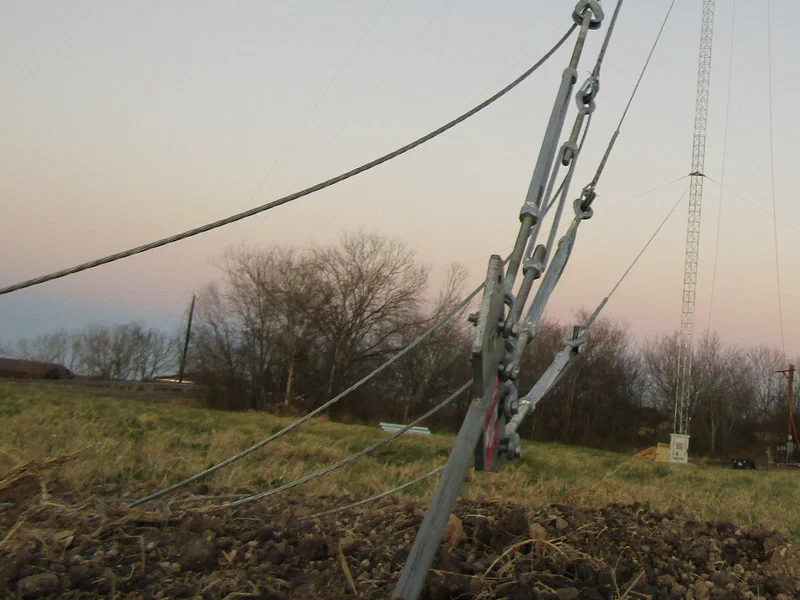
Verify plumb, tension guys, correct storm-displaced structures.
Page last updated July 30, 2026.
Tell us the site.
We'll bring the steel.
Send the location, tower type, scope, and timeline. We come back with a quote, a crew, and a schedule you can build a business around.